Partnerships
Uganda Engages UK Partners to Scale Digital Skills and AI-Enabled Learning
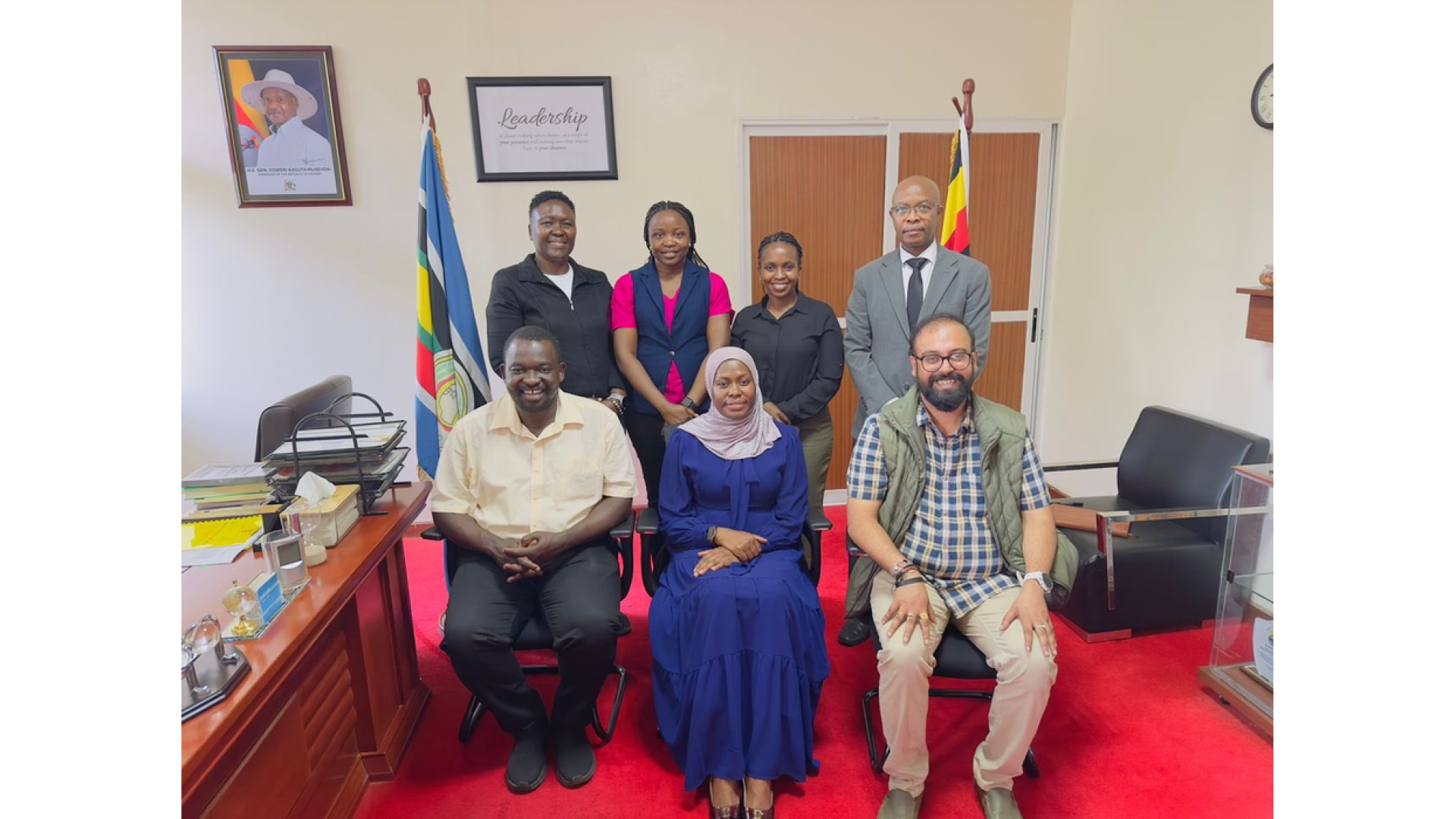
The Ministry of ICT and National Guidance has engaged partners under the UK Digital Access Programme to explore practical ways to expand digital skills across Uganda, with a focus on scalable, locally relevant solutions.
The engagement brought together representatives from the British High Commission and implementing partners to discuss how Uganda can move beyond small-scale training efforts and adopt models capable of reaching millions of citizens.
At the centre of the discussion was the need to rethink how digital skills are delivered, particularly in light of persistent challenges such as limited connectivity, high training costs, and uneven access to qualified trainers.
Speaking during the meeting, the Permanent Secretary, Dr Aminah Zawedde, emphasised that Uganda’s digital transformation agenda is anchored on a structured and coordinated national approach. “Uganda’s approach to digital transformation is deliberate and structured. We are not just looking to increase access but to ensure that infrastructure, skills, security, and innovation move together. Any partnership must align with this national framework if it is to deliver meaningful impact.”
The discussions highlighted the potential of AI-enabled learning systems, which combine artificial intelligence with human instruction and can operate even in low-connectivity environments. This approach is being considered to overcome the limitations of traditional training models.
Charles W. Juma, Country Lead and Advisor for the Digital Access Programme at the British High Commission in Kenya, noted that achieving meaningful digital inclusion requires a system-wide approach. “Expanding digital access is not just about connectivity. It is about ensuring that people have the right skills to use digital tools productively. That requires coordination, clear frameworks, and solutions that can scale.”
The meeting also explored collaboration to develop a national digital skills curriculum, aimed at standardising training nationwide and aligning it with national priorities. Partners indicated their readiness to support this process and facilitate knowledge sharing, including lessons from Kenya, where similar frameworks have been implemented.
Dr. Zawedde further emphasised the importance of content governance, particularly given Uganda’s youthful population, noting that digital learning solutions must align with national education standards and safeguard users.
Both parties agreed on the need to begin with pilot deployments to test new training models, generate evidence, and refine approaches before scaling nationally.
The partnership is expected to be formalised through a Memorandum of Understanding (MOU), with a focus on curriculum development, pilot implementation, and institutional collaboration.
The engagement marks a step toward building a more coordinated and scalable digital skills ecosystem, positioning Uganda to better prepare its citizens for opportunities in the digital economy.
The engagement brought together representatives from the British High Commission and implementing partners to discuss how Uganda can move beyond small-scale training efforts and adopt models capable of reaching millions of citizens.
At the centre of the discussion was the need to rethink how digital skills are delivered, particularly in light of persistent challenges such as limited connectivity, high training costs, and uneven access to qualified trainers.
Speaking during the meeting, the Permanent Secretary, Dr Aminah Zawedde, emphasised that Uganda’s digital transformation agenda is anchored on a structured and coordinated national approach. “Uganda’s approach to digital transformation is deliberate and structured. We are not just looking to increase access but to ensure that infrastructure, skills, security, and innovation move together. Any partnership must align with this national framework if it is to deliver meaningful impact.”
The discussions highlighted the potential of AI-enabled learning systems, which combine artificial intelligence with human instruction and can operate even in low-connectivity environments. This approach is being considered to overcome the limitations of traditional training models.
Charles W. Juma, Country Lead and Advisor for the Digital Access Programme at the British High Commission in Kenya, noted that achieving meaningful digital inclusion requires a system-wide approach. “Expanding digital access is not just about connectivity. It is about ensuring that people have the right skills to use digital tools productively. That requires coordination, clear frameworks, and solutions that can scale.”
The meeting also explored collaboration to develop a national digital skills curriculum, aimed at standardising training nationwide and aligning it with national priorities. Partners indicated their readiness to support this process and facilitate knowledge sharing, including lessons from Kenya, where similar frameworks have been implemented.
Dr. Zawedde further emphasised the importance of content governance, particularly given Uganda’s youthful population, noting that digital learning solutions must align with national education standards and safeguard users.
Both parties agreed on the need to begin with pilot deployments to test new training models, generate evidence, and refine approaches before scaling nationally.
The partnership is expected to be formalised through a Memorandum of Understanding (MOU), with a focus on curriculum development, pilot implementation, and institutional collaboration.
The engagement marks a step toward building a more coordinated and scalable digital skills ecosystem, positioning Uganda to better prepare its citizens for opportunities in the digital economy.
The author is a Communications Officer at the Ministry of ICT & National Guidance.