Partnerships
Uganda draws lessons from Nigeria’s Computer Village to expand access to affordable computers
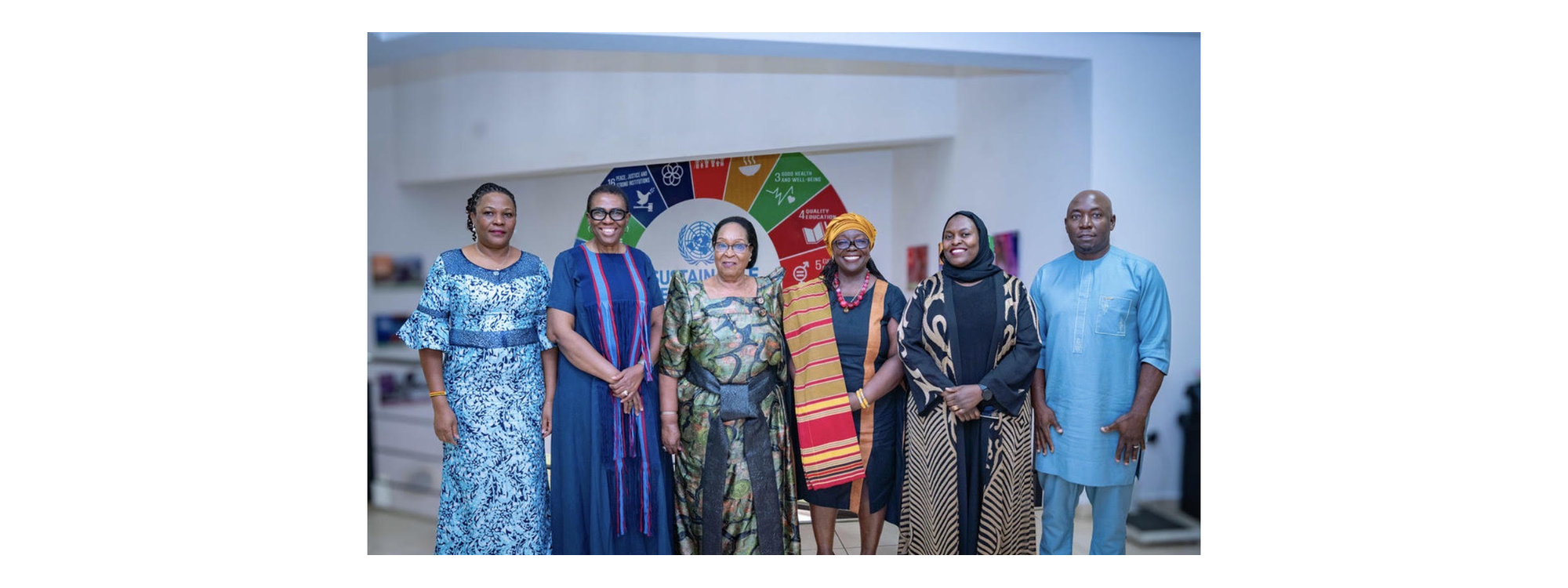
The Ministry of ICT and National Guidance, with technical support from the United Nations Development Programme (UNDP) Uganda, undertook a study visit to Ikeja Computer Village in Lagos, Nigeria, from 23th to 27th November 2026. The visit examined how Nigeria’s technology businesses repair and refurbish devices, train technicians, and manage electronic waste. The findings will inform plans for a proposed Computer Refurbishment and Digital Circular Economy Centre at the National ICT Innovation Hub in Nakawa.
Hon. Joyce Nabbosa Ssebugwawo, Uganda’s Minister of State for ICT and National Guidance (Information), led the Ministry delegation, while UNDP Uganda Resident Representative Nwanne Vwede-Obahor led the UNDP Uganda team. The delegation began its engagements in Abuja, where it met UNDP Nigeria Resident Representative Elsie Attafuah and her team to discuss how refurbishment could make computers more affordable and extend their useful life.
The proposed centre would address a practical problem. Many schools, small businesses and underserved communities struggle to afford new computers, while banks, telecommunications companies and government agencies regularly retire equipment that could still be put to use.
“We see an opportunity to bridge these two realities by developing a structured system to collect, assess, refurbish, and redistribute retired equipment to users who need affordable technology,” Ssebugwawo noted in her prepared remarks for the visit.
In Lagos, the delegation met Commissioner Olatunbosun Alake and his team at the Lagos State Ministry of Innovation, Science and Technology. They discussed how public policy, infrastructure planning and collaboration with businesses supported Ikeja Computer Village’s growth into a major technology hub. Meetings with SLOT and Raya Technologies offered a business perspective on that growth. The companies shared how they developed from businesses based in Computer Village into nationwide networks for device sales and repairs.
The delegation also met Heinckley, Innovia DeepTech Labs and Revrica to explore what happens to equipment that cannot be repaired or reused. The discussions covered responsible recycling, recovering usable materials from discarded electronics, and how emerging technologies could create new uses for those materials.
For the proposed centre in Nakawa, the Ministry is exploring partnerships with institutions that could provide a steady supply of retired ICT equipment. The centre would need procedures for securely erasing stored data, testing refurbished devices before redistribution, and sending unusable equipment to specialised recyclers.
Ssebugwawo also highlighted opportunities for young people. “Computer refurbishment offers an opportunity to equip young people with marketable skills in computer diagnostics, hardware repair, maintenance, component replacement and refurbishment,” she noted in her prepared remarks.
The Ministry intends to use the findings from the visit to develop an implementation plan for the proposed centre. The plan would define how the centre could be managed and financed, what tools and facilities it would need, and how partnerships with training institutions and businesses could help young technicians move into employment or start their own repair enterprises.
The author is a Communications Officer at the Ministry of ICT & National Guidance.