Partnerships
Digital Skills and Youth Employment Lead Ministry–UNDP Talks

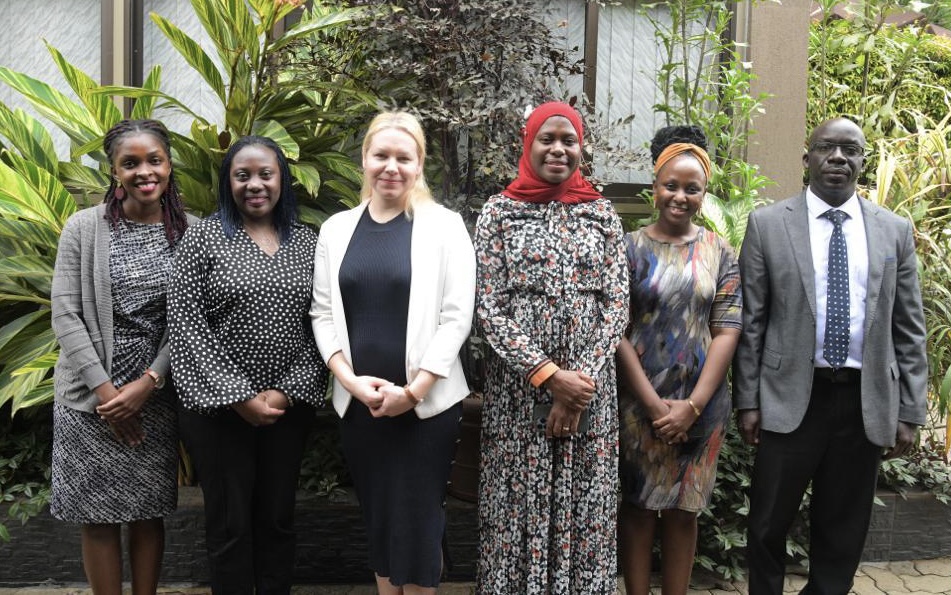
Expanding digital skills and employment opportunities for young Ugandans was a key focus of a courtesy meeting between the Ministry’s leadership and UNDP Resident Representative in Uganda, Nwanne Vwede-Obahor, held at the Ministry on 2nd October 2026.
The meeting brought together the Minister of ICT and National Guidance, Rt. Hon. Justine Kasule Lumumba; the Minister of State for National Guidance, Hon. Alioni Yorke Odria; the Minister of State for Information, Hon. Joyce Nabbosa Ssebugwawo; and the Permanent Secretary, Dr. Amina Zawedde.
The discussions centred on how training, access to technology and partnerships with employers can help young people earn a living in the digital economy.
UNDP reported that it had trained 150 Ugandan youth in fields including artificial intelligence, data science, cybersecurity and user experience design. Connecting these skills to employment was a priority, including opportunities for Ugandans to work remotely for international companies.
The engagement explored how this approach could complement Uganda’s efforts to grow the Business Process Outsourcing sector and connect local talent to wider markets.
For learners, however, gaining digital skills begins with access to equipment. Limited computer availability in schools remains a barrier to practical learning.
One option discussed was refurbishing suitable computers donated by banks, telecommunications companies and other institutions for use in schools. Alongside widening access, this could support jobs in equipment repair and refurbishment.
Such an arrangement would need to ensure that donated devices are functional, existing data is securely removed and electronic waste is responsibly managed. Participants also considered demonstration sites where students and communities could learn through practical experience.
Beyond skills and employment, the meeting examined how artificial intelligence could help improve public services. UNDP highlighted a pilot focused on water infrastructure in Karamoja, designed to map facility locations, assess functionality, and identify the communities they serve.
The findings could help guide maintenance and future investment. The discussion also recognised the need for community awareness and participation so that infrastructure is used and maintained.
The Ministry outlined efforts to improve coordination of government information systems, reduce duplication and support more connected services. UNDP’s technical expertise was identified as a potential source of support for this work and other national digital priorities.
Data protection and responsible use of artificial intelligence featured throughout the engagement. These considerations will be important as institutions explore new technologies and expand digital services.
The proposals remain areas for further work. For young Ugandans, their value will depend on whether training leads to employment and whether access to equipment gives more learners the practical skills to pursue those opportunities.
The meeting brought together the Minister of ICT and National Guidance, Rt. Hon. Justine Kasule Lumumba; the Minister of State for National Guidance, Hon. Alioni Yorke Odria; the Minister of State for Information, Hon. Joyce Nabbosa Ssebugwawo; and the Permanent Secretary, Dr. Amina Zawedde.
The discussions centred on how training, access to technology and partnerships with employers can help young people earn a living in the digital economy.
UNDP reported that it had trained 150 Ugandan youth in fields including artificial intelligence, data science, cybersecurity and user experience design. Connecting these skills to employment was a priority, including opportunities for Ugandans to work remotely for international companies.
The engagement explored how this approach could complement Uganda’s efforts to grow the Business Process Outsourcing sector and connect local talent to wider markets.
For learners, however, gaining digital skills begins with access to equipment. Limited computer availability in schools remains a barrier to practical learning.
One option discussed was refurbishing suitable computers donated by banks, telecommunications companies and other institutions for use in schools. Alongside widening access, this could support jobs in equipment repair and refurbishment.
Such an arrangement would need to ensure that donated devices are functional, existing data is securely removed and electronic waste is responsibly managed. Participants also considered demonstration sites where students and communities could learn through practical experience.
Beyond skills and employment, the meeting examined how artificial intelligence could help improve public services. UNDP highlighted a pilot focused on water infrastructure in Karamoja, designed to map facility locations, assess functionality, and identify the communities they serve.
The findings could help guide maintenance and future investment. The discussion also recognised the need for community awareness and participation so that infrastructure is used and maintained.
The Ministry outlined efforts to improve coordination of government information systems, reduce duplication and support more connected services. UNDP’s technical expertise was identified as a potential source of support for this work and other national digital priorities.
Data protection and responsible use of artificial intelligence featured throughout the engagement. These considerations will be important as institutions explore new technologies and expand digital services.
The proposals remain areas for further work. For young Ugandans, their value will depend on whether training leads to employment and whether access to equipment gives more learners the practical skills to pursue those opportunities.
The author is a Communications Officer at the Ministry of ICT & National Guidance.