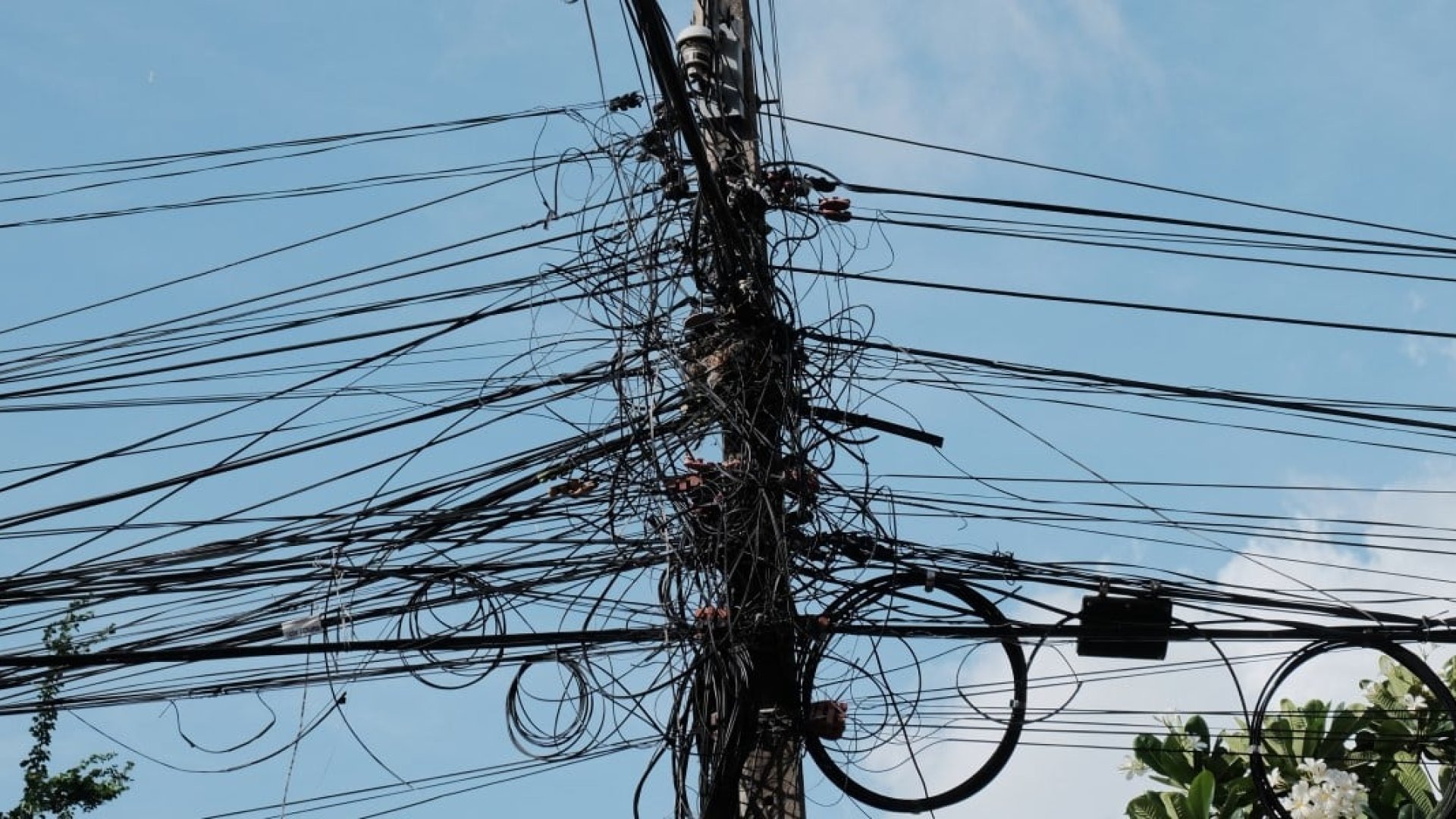
If you have driven through Kampala lately, you may have noticed the tangled web of overhead cables stretching across the skyline. That cluttered appearance is set to change as the Greater Kampala Metropolitan Area (GKMA) enters a new phase focused on order, safety, and modern infrastructure.
On 11th April 2025, the Head of Public Service and Secretary to the Cabinet issued a strategic directive to launch a comprehensive reorganization of utility infrastructure across the metropolitan area. The objective is clear: improve the city’s visual appeal while organizing connectivity systems more efficiently. This involves removing redundant utility poles and relocating overhead fiber cables into structured, shared systems that utilize underground service ducts along KCCA roads.
Following the directive, a feasibility field visit was conducted from 11th to 13th August 2025 to assess technical, operational, and logistical requirements on the ground. The team evaluated the extent of pole congestion, the condition of existing infrastructure, and the priority interventions. Building on these insights, the first all-stakeholders meeting was held on 20th August 2025, bringing together key actors to align on findings, clarify roles, and finalize an implementation roadmap.
Relocation works officially commenced at the end of September 2025, starting with a structured pole selection process. This step marked the transition from planning to action, as stakeholders identified which infrastructure would be retained, shared, or removed, ensuring safety, compliance, and long-term sustainability.
Implementation began with Corridor 1, a pilot phase covering three key roads across different divisions: Lukuli Road in Makindye, John Babiiha (Acacia) Avenue in the Central Division, and Ntinda–Stretcher Road in Nakawa. These corridors set the standard for a well-organized, clutter-free metropolitan area, demonstrating that reliable connectivity can coexist with an aesthetically pleasing cityscape.
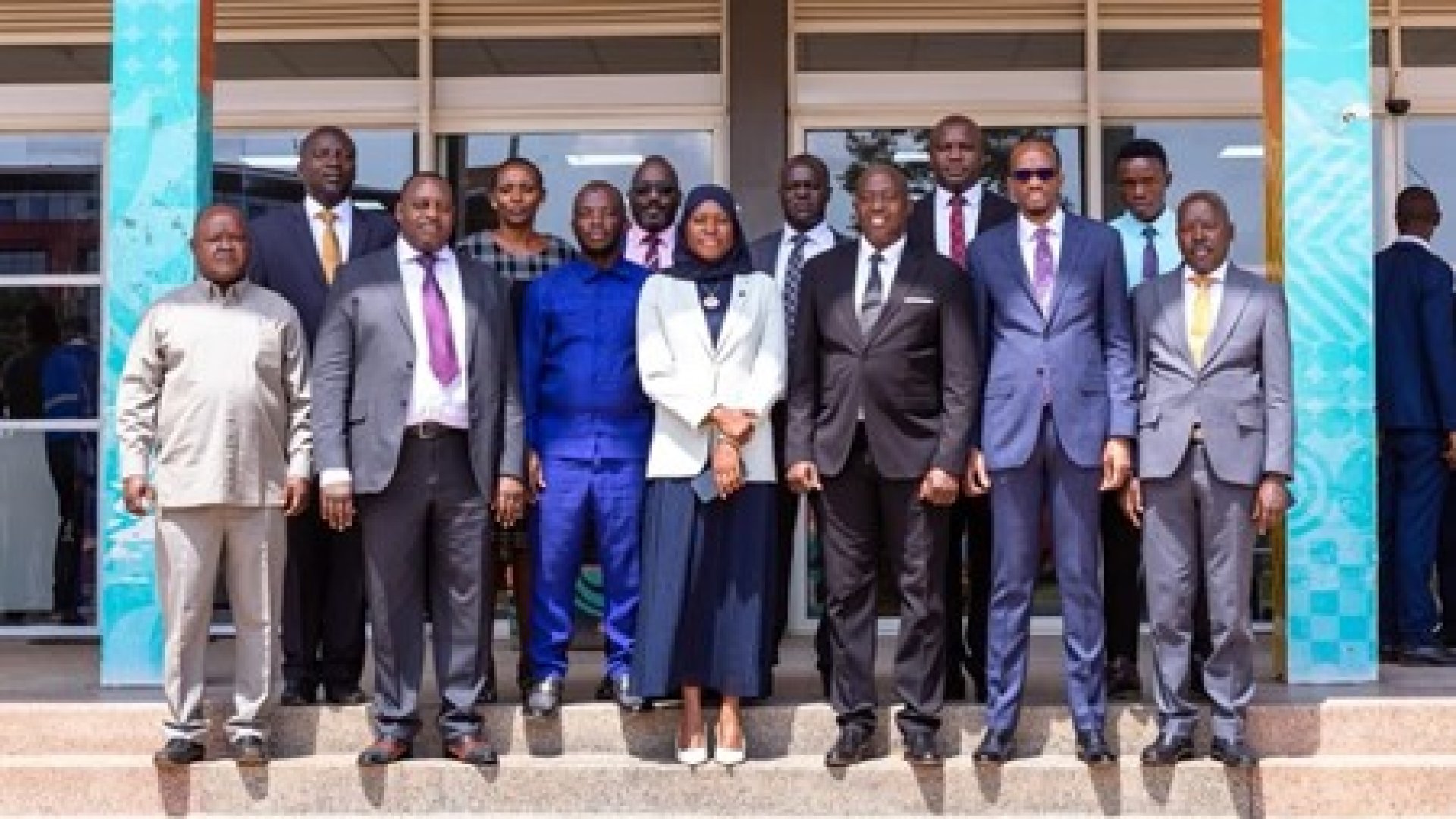
Effective oversight has remained a key priority throughout implementation. On 27th January 2026, a meeting was held with the Head of Public Service to review milestones achieved and outline next steps. This was immediately followed by a field visit to assess progress in pole decluttering, verify on-the-ground improvements, and reinforce accountability. From the field visit, it was noted that some Internet Service Providers had not decommissioned their unverified poles and others had not yet migrated their aerial fibre to the designated poles, all of which were still contributing to the poles clutter.
This effort is implemented by the Ministry of ICT & NG in close coordination with the Uganda Communications Commission, licensed Internet Service Providers operating within the Greater Kampala Metropolitan Area, and the Uganda Electricity Distribution Company Limited, whose infrastructure supports shared access where applicable.
This collaboration ensures that all stakeholders are aligned in delivering a safer, more organized, and efficient urban digital infrastructure. At the heart of this transformation is the Telecom Sector Working Group, guided by the Uganda Communications Commission. The group is encouraging the industry to move from competing over pole installation to collaborating on shared infrastructure.
The initiative also aligns with Pillar 1 of Uganda’s Digital Transformation Road-map, which focuses on Digital Infrastructure and Connectivity. A key priority under this pillar is the development and sharing of integrated digital infrastructure, such as fiber-optic networks, data centers, and telecommunications systems, to reduce costs, improve efficiency, and expand access to digital services.
The benefits of the initiative extend beyond aesthetics. Fewer utility poles mean clearer walkways, improved road safety, and reduced service interruptions caused by accidents involving overhead lines.
Infrastructure
Transforming Digital Infrastructure in the Greater Kampala Metropolitan Area
By Gloria Nassuna
·
Mar 6, 2026
The author is a Data Networks Engineer at the Ministry of ICT & National Guidance.