ICT
MoICT&NG Builds Staff Capacity for Sector Excellence

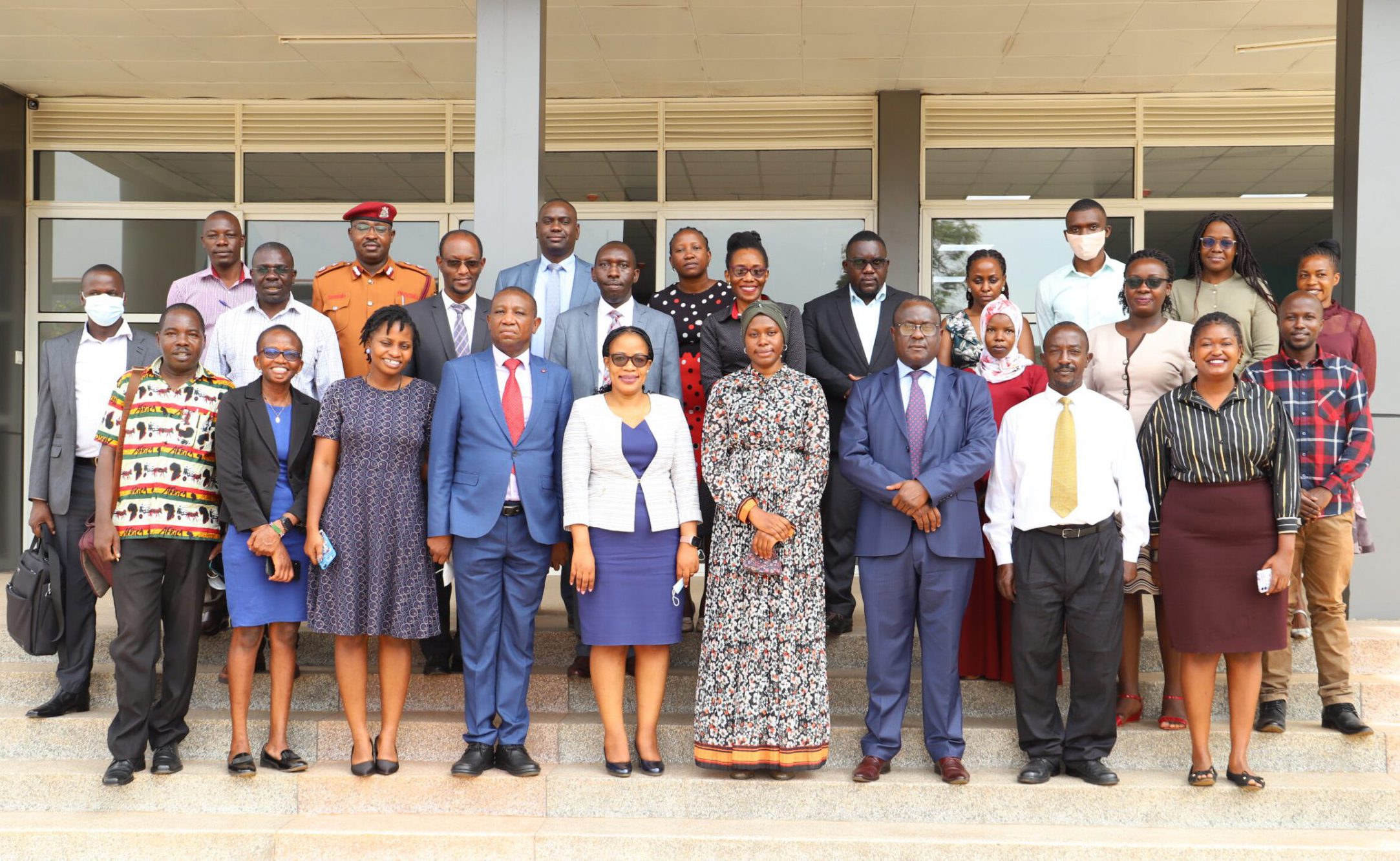
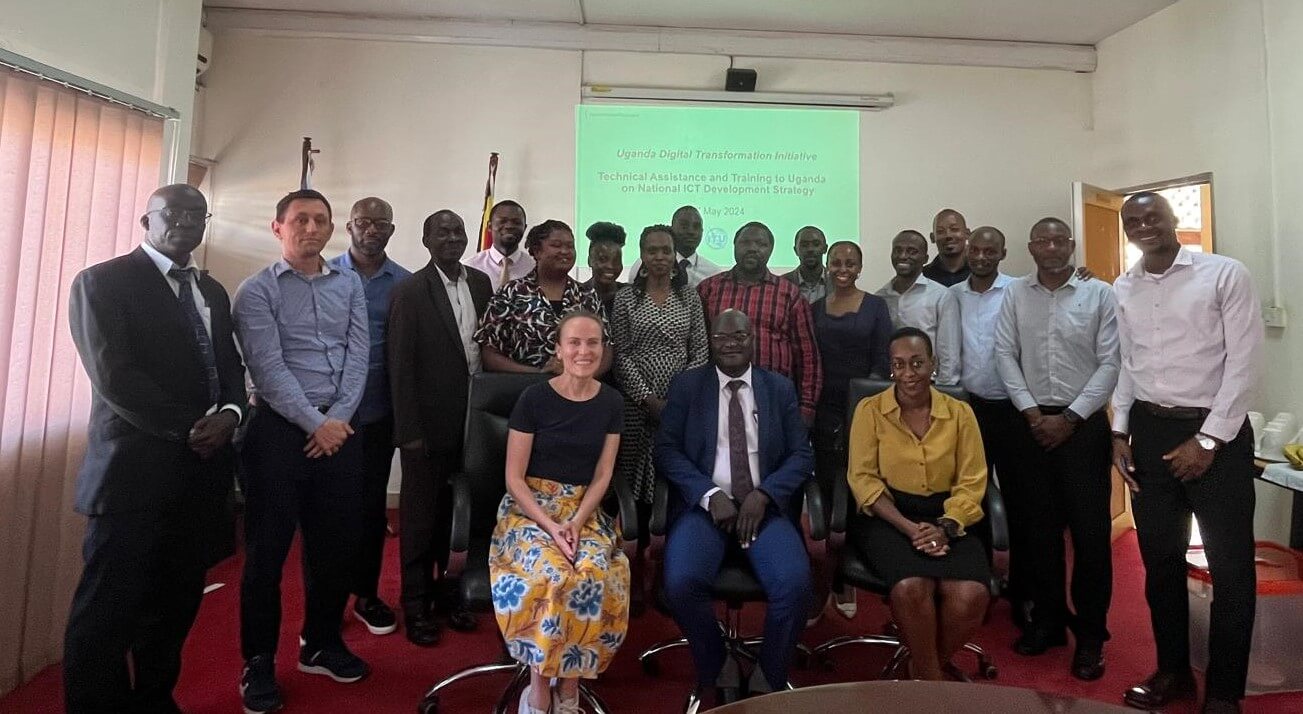
A ten-member technical team from the Ministry of ICT and National Guidance (MoICT&NG) took part in an intensive Project Planning and Implementation course at the Eastern and Southern African Management Institute (ESAMI) in Arusha, Tanzania, from 10th to 21st November 2025. Nominated by Permanent Secretary Dr. Aminah Zawedde and sponsored by NITA-U under the Uganda Digital Acceleration Project (UDAP), the team gained critical skills to strengthen the performance of ICT sector projects and accelerate Uganda’s digital transformation. The training forms part of the Ministry’s ongoing human resource capacity-building programme aimed at enhancing the effective delivery of digital initiatives aligned with national development priorities such as Vision 2040, the National Development Plan, and the Digital Transformation Roadmap.
Over the course, participants were equipped with hands-on project management competencies covering the full project lifecycle from initiation and planning to execution, monitoring, and closure. They deepened their understanding of the ten core knowledge areas of project management: integration, scope, schedule, cost, quality, resources, communications, risk, procurement, and stakeholder management. These skills are vital for managing large-scale government and development partner–funded initiatives such as the US$200 million World Bank–supported Uganda Digital Acceleration Project, which focuses on expanding high-speed internet, improving e-government services, and promoting inclusive digital transformation.
ESAMI’s practical approach reinforced the use of tools such as Work Breakdown Structures (WBS), Gantt charts, project calendars, and Results-Based Management frameworks. Participants learned how to break down complex tasks into manageable components, define clear timelines, and allocate responsibilities effectively. The training also strengthened their ability to coordinate across government agencies, development partners, the private sector, and citizens, ensuring seamless multi-stakeholder collaboration throughout project implementation. Sessions on risk communication and management further equipped the team to anticipate challenges, mitigate delays, and avoid cost overruns.
A strong emphasis was placed on building high-performing teams and strengthening governance structures. Participants learned how to establish and manage project boards, steering committees, and technical working groups with clear decision-making pathways. Leadership exercises focused on communication, conflict resolution, and team motivation are essential elements for driving results in collaborative project environments.
The team also gained proficiency in advanced project management methodologies, including the Critical Path Method (CPM) for task prioritization and the Logical Framework Approach (Log Frame) for linking inputs, outputs, and outcomes. They were introduced to monitoring dashboards and performance measurement tools that support real-time tracking of Key Performance Indicators (KPIs), helping projects remain on schedule and deliver the intended impact.
Effective stakeholder engagement and proactive communication were central themes throughout the training. Participants acquired practical skills in strategic communication, stakeholder mapping, integrated communication planning, and evidence-based monitoring and evaluation capabilities that will enable the Ministry to deliver clearer and more coordinated messaging during project implementation, thereby improving collaboration, buy-in, and public trust.
These enhanced competencies position the Ministry of ICT team to deliver ICT infrastructure projects more efficiently, strengthen the reliability of digital services, and improve the resilience of national ICT systems. They are now better equipped to support the sustainable implementation of complex initiatives aligned with Uganda Vision 2040, the National Development Plan IV (NDP4), the Ministry’s Strategic Plan, and the Digital Transformation Roadmap.
Over the course, participants were equipped with hands-on project management competencies covering the full project lifecycle from initiation and planning to execution, monitoring, and closure. They deepened their understanding of the ten core knowledge areas of project management: integration, scope, schedule, cost, quality, resources, communications, risk, procurement, and stakeholder management. These skills are vital for managing large-scale government and development partner–funded initiatives such as the US$200 million World Bank–supported Uganda Digital Acceleration Project, which focuses on expanding high-speed internet, improving e-government services, and promoting inclusive digital transformation.
ESAMI’s practical approach reinforced the use of tools such as Work Breakdown Structures (WBS), Gantt charts, project calendars, and Results-Based Management frameworks. Participants learned how to break down complex tasks into manageable components, define clear timelines, and allocate responsibilities effectively. The training also strengthened their ability to coordinate across government agencies, development partners, the private sector, and citizens, ensuring seamless multi-stakeholder collaboration throughout project implementation. Sessions on risk communication and management further equipped the team to anticipate challenges, mitigate delays, and avoid cost overruns.
A strong emphasis was placed on building high-performing teams and strengthening governance structures. Participants learned how to establish and manage project boards, steering committees, and technical working groups with clear decision-making pathways. Leadership exercises focused on communication, conflict resolution, and team motivation are essential elements for driving results in collaborative project environments.
The team also gained proficiency in advanced project management methodologies, including the Critical Path Method (CPM) for task prioritization and the Logical Framework Approach (Log Frame) for linking inputs, outputs, and outcomes. They were introduced to monitoring dashboards and performance measurement tools that support real-time tracking of Key Performance Indicators (KPIs), helping projects remain on schedule and deliver the intended impact.
Effective stakeholder engagement and proactive communication were central themes throughout the training. Participants acquired practical skills in strategic communication, stakeholder mapping, integrated communication planning, and evidence-based monitoring and evaluation capabilities that will enable the Ministry to deliver clearer and more coordinated messaging during project implementation, thereby improving collaboration, buy-in, and public trust.
These enhanced competencies position the Ministry of ICT team to deliver ICT infrastructure projects more efficiently, strengthen the reliability of digital services, and improve the resilience of national ICT systems. They are now better equipped to support the sustainable implementation of complex initiatives aligned with Uganda Vision 2040, the National Development Plan IV (NDP4), the Ministry’s Strategic Plan, and the Digital Transformation Roadmap.
The author is a Communication & Public Relations Expert at the Ministry of ICT & National Guidance.