Artificial Intelligence
Ministry Engages Stakeholders on Uganda’s National AI & Emerging Technologies Strategy

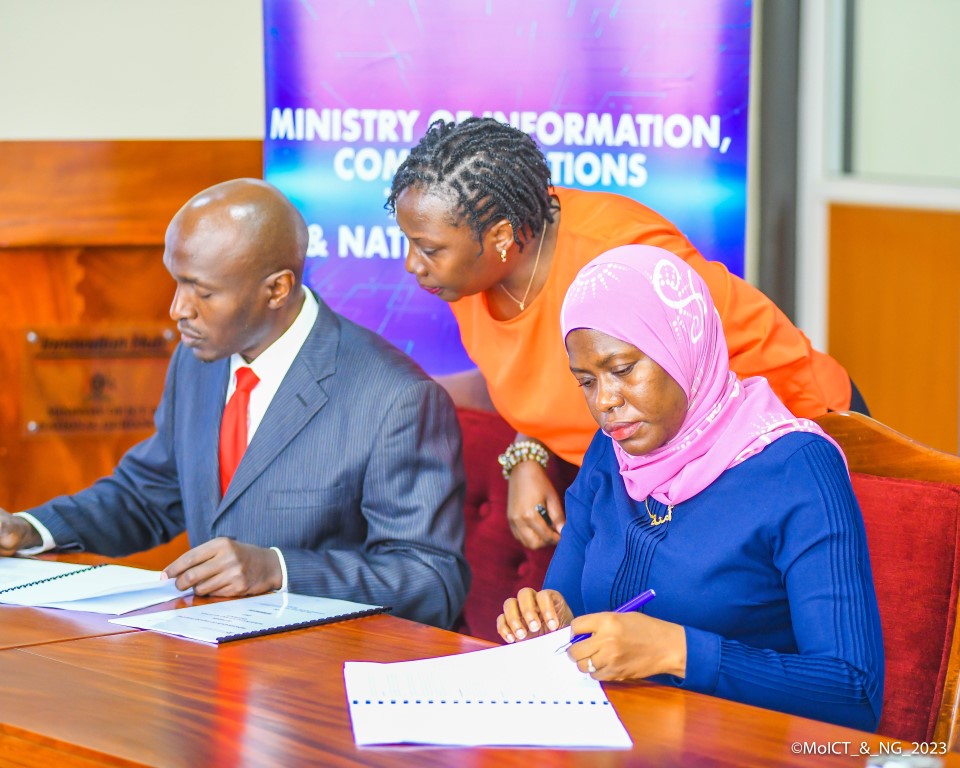
Uganda’s National AI & Emerging Technologies Strategy is taking shape through an inclusive, nationwide stakeholder engagement process led by the Ministry of ICT and National Guidance. The ongoing consultations are designed to ensure the strategy reflects the country’s priorities, opportunities, and sector realities, while positioning emerging technologies as drivers of digital transformation and economic growth.
Stakeholders from government, academia, the private sector, and the wider innovation ecosystem have convened to help develop the strategy, which will guide the adoption and governance of rapidly evolving digital technologies in Uganda. The engagements, organised in partnership with the National Information Technology Authority-Uganda (NITA-U) and AI Uganda, have brought together participants from sectors including agriculture, health, finance, education, tourism, manufacturing, and research.
Opening the engagement, the Permanent Secretary, Dr Aminah Zawedde, said Uganda is taking deliberate steps to harness emerging technologies in ways that align with national development priorities and support long-term economic transformation. She noted that the country’s Digital Transformation Roadmap provides the foundation for this effort, focusing on digital infrastructure, services, cybersecurity and data protection, digital skilling, and innovation.
“Across the world, emerging technologies such as artificial intelligence, blockchain, the Internet of Things, robotics, and big data analytics are transforming economies and public services,” she said. “Uganda must ensure these technologies create real opportunities for our people and support national priorities.”
Dr Zawedde also underscored the importance of a strong data ecosystem, noting that data is the backbone of technologies such as artificial intelligence. She highlighted ongoing efforts to establish a national data strategy to guide how data is governed, shared, and used across government and the wider economy, alongside a focus on inclusive digital solutions, including support for local languages.
“We want Uganda not only to adopt emerging technologies, but also to develop solutions that address our own challenges,” she added.
Providing further insight, the Commissioner for Research and Development, Ambrose Ruyooka, explained that the strategy will serve as a national framework for both adoption and governance. He noted that the initiative originated from a Cabinet directive to develop an artificial intelligence policy, but evolved into a broader strategy after recognising the interconnected nature of emerging technologies.
“In developing an AI policy, it became clear that artificial intelligence does not operate in isolation,” he said. “We therefore expanded the scope to an Emerging Technologies Strategy, with AI as the flagship.”
The strategy will cover technologies including artificial intelligence, blockchain, cloud computing, big data analytics, and quantum computing, with a focus on enabling growth across priority sectors under the Fourth National Development Plan (NDP IV), such as agriculture, tourism, mining, manufacturing, and services
“ICT is an enabler of other sectors,” Ruyooka noted. “This strategy ensures that emerging technologies drive productivity, innovation, and growth across the economy.” He added that the framework will address key areas such as governance, ethical use, standards, infrastructure, and investment, while aligning with international best practices, including frameworks developed by UNESCO and the OECD.
The strategy is being developed through a structured consultative process that includes expert interviews, focus group discussions, and sector-based engagements to capture insights on current initiatives, opportunities, and challenges. The process is supported by Prof. Timothy Waema of the University of Nairobi.
Following engagements in the Western Region at Kabale University, consultations will continue at Gulu University and Soroti University ICT innovation hubs. In parallel, the Ministry is conducting Key Informant Interviews and targeted engagements with international AI governance experts and the public, as well as national stakeholder forums.
The consultation process is expected to conclude by the end of March 2026, paving the way for finalisation of the strategy by May 2026.
The Ministry commends all stakeholders for their continued participation and contribution to this national agenda.
Stakeholders from government, academia, the private sector, and the wider innovation ecosystem have convened to help develop the strategy, which will guide the adoption and governance of rapidly evolving digital technologies in Uganda. The engagements, organised in partnership with the National Information Technology Authority-Uganda (NITA-U) and AI Uganda, have brought together participants from sectors including agriculture, health, finance, education, tourism, manufacturing, and research.
Opening the engagement, the Permanent Secretary, Dr Aminah Zawedde, said Uganda is taking deliberate steps to harness emerging technologies in ways that align with national development priorities and support long-term economic transformation. She noted that the country’s Digital Transformation Roadmap provides the foundation for this effort, focusing on digital infrastructure, services, cybersecurity and data protection, digital skilling, and innovation.
“Across the world, emerging technologies such as artificial intelligence, blockchain, the Internet of Things, robotics, and big data analytics are transforming economies and public services,” she said. “Uganda must ensure these technologies create real opportunities for our people and support national priorities.”
Dr Zawedde also underscored the importance of a strong data ecosystem, noting that data is the backbone of technologies such as artificial intelligence. She highlighted ongoing efforts to establish a national data strategy to guide how data is governed, shared, and used across government and the wider economy, alongside a focus on inclusive digital solutions, including support for local languages.
“We want Uganda not only to adopt emerging technologies, but also to develop solutions that address our own challenges,” she added.
Providing further insight, the Commissioner for Research and Development, Ambrose Ruyooka, explained that the strategy will serve as a national framework for both adoption and governance. He noted that the initiative originated from a Cabinet directive to develop an artificial intelligence policy, but evolved into a broader strategy after recognising the interconnected nature of emerging technologies.
“In developing an AI policy, it became clear that artificial intelligence does not operate in isolation,” he said. “We therefore expanded the scope to an Emerging Technologies Strategy, with AI as the flagship.”
The strategy will cover technologies including artificial intelligence, blockchain, cloud computing, big data analytics, and quantum computing, with a focus on enabling growth across priority sectors under the Fourth National Development Plan (NDP IV), such as agriculture, tourism, mining, manufacturing, and services
“ICT is an enabler of other sectors,” Ruyooka noted. “This strategy ensures that emerging technologies drive productivity, innovation, and growth across the economy.” He added that the framework will address key areas such as governance, ethical use, standards, infrastructure, and investment, while aligning with international best practices, including frameworks developed by UNESCO and the OECD.
The strategy is being developed through a structured consultative process that includes expert interviews, focus group discussions, and sector-based engagements to capture insights on current initiatives, opportunities, and challenges. The process is supported by Prof. Timothy Waema of the University of Nairobi.
Following engagements in the Western Region at Kabale University, consultations will continue at Gulu University and Soroti University ICT innovation hubs. In parallel, the Ministry is conducting Key Informant Interviews and targeted engagements with international AI governance experts and the public, as well as national stakeholder forums.
The consultation process is expected to conclude by the end of March 2026, paving the way for finalisation of the strategy by May 2026.
The Ministry commends all stakeholders for their continued participation and contribution to this national agenda.
The author is a Communications Officer at the Ministry of ICT & National Guidance.