Infrastructure
Kampala Begins Shift to Underground Fibre
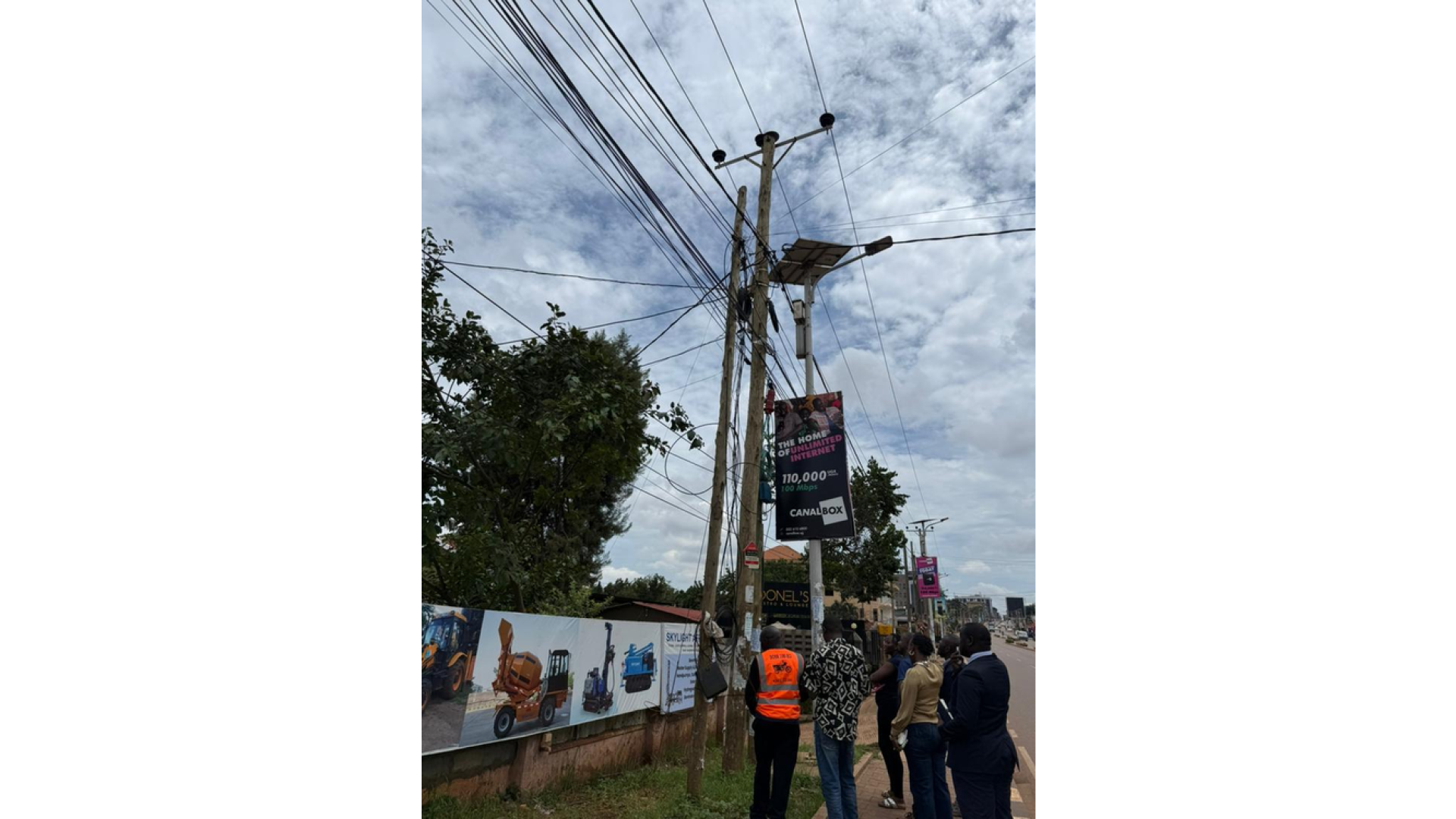
The Data Networks Department at the Ministry of ICT and National Guidance has completed a two-day exercise to monitor the relocation of aerial fibre cables to underground ducts across selected roads in the Greater Kampala Metropolitan Area (GKMA).
The exercise, conducted from 23rd to 24th April 2026, covered Lukuli, Acacia, and Ntinda Stretcher roads under Pilot Corridor 1. It was carried out in collaboration with key stakeholders, including the Kampala Capital City Authority (KCCA), the Internet Service Providers Association of Uganda, and the Telecom Sector Transition Working Group (TSTWG).
Beyond verifying completed works along the pilot roads, the team assessed the condition and relevance of existing transmission poles and identified areas requiring accelerated migration from aerial to underground fibre infrastructure.
The shift is anchored in a broader government directive issued in May 2025 under the National Development Plan (NDP) IV, which calls for standardised infrastructure development across sectors. The aim is to improve quality, align standards in transport, energy, and ICT, and support industrialisation and economic growth.
In parallel, the government is advancing intermodal transport systems and expanding the National Backbone Infrastructure (NBI), while enforcing compliance with physical development plans in urban areas.
Relocating fibre cables underground is expected to strengthen network security, reduce vandalism, and improve infrastructure durability. For users, this translates into more stable, reliable connectivity and fewer service disruptions.
With Pilot Corridor 1 completed, the programme will now extend to other parts of GKMA and gradually scale to the rest of the country.
The exercise, conducted from 23rd to 24th April 2026, covered Lukuli, Acacia, and Ntinda Stretcher roads under Pilot Corridor 1. It was carried out in collaboration with key stakeholders, including the Kampala Capital City Authority (KCCA), the Internet Service Providers Association of Uganda, and the Telecom Sector Transition Working Group (TSTWG).
Beyond verifying completed works along the pilot roads, the team assessed the condition and relevance of existing transmission poles and identified areas requiring accelerated migration from aerial to underground fibre infrastructure.
The shift is anchored in a broader government directive issued in May 2025 under the National Development Plan (NDP) IV, which calls for standardised infrastructure development across sectors. The aim is to improve quality, align standards in transport, energy, and ICT, and support industrialisation and economic growth.
In parallel, the government is advancing intermodal transport systems and expanding the National Backbone Infrastructure (NBI), while enforcing compliance with physical development plans in urban areas.
Relocating fibre cables underground is expected to strengthen network security, reduce vandalism, and improve infrastructure durability. For users, this translates into more stable, reliable connectivity and fewer service disruptions.
With Pilot Corridor 1 completed, the programme will now extend to other parts of GKMA and gradually scale to the rest of the country.
The author is a Communications Officer at the Ministry of ICT & National Guidance.