Digital Skilling
Inclusive Cybersecurity Training for Visually Impaired Persons
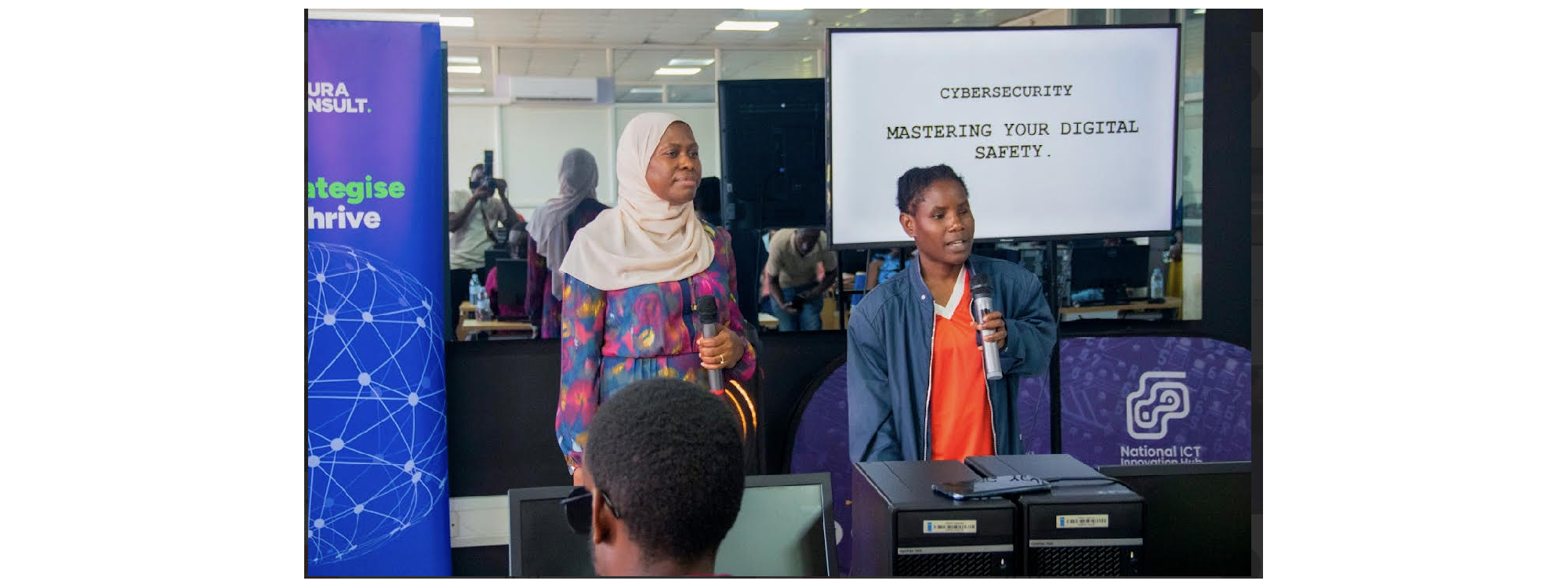
The Ministry of ICT and National Guidance is advancing inclusive digital skills through a targeted cybersecurity training programme for persons with visual impairments.
The training, hosted at the National ICT Innovation Hub in collaboration with the Uganda Institute of Information and Communications Technology, is equipping 66 participants, visually impaired persons and their support aides, with practical skills in cybersecurity, privacy, and digital safety in a week-long training.
In Uganda today, digital transformation underpins how people communicate, trade, and access services. But the real divide is no longer just about access to devices. It is about safe usage. For persons with disabilities, especially those with visual impairments, the risks are often higher and more specific.
This programme is designed as a practical intervention. It focuses on real use, not theory. Participants are trained on their own devices, learning to secure them, manage permissions, and navigate digital platforms safely without exposing sensitive information.
The training is structured around everyday risks. It begins with digital hygiene, then moves on to identifying common scams in Uganda, including deceptive WhatsApp links and mobile money fraud. It also simplifies the Data Protection and Privacy Act, 2019, enabling participants to recognize when their personal data is being misused.
Participants are also guided on securing assistive technologies such as screen readers and voice-to-text tools. While these tools enable access, if poorly configured they can expose private data. The programme addresses that risk directly.
The inclusion of both visually impaired participants and their aides is intentional. It ensures that digital safety practices are reinforced beyond the training environment, particularly in shared device settings at home and in the workplace.
During an oversight visit, Permanent Secretary Dr Aminah Zawedde addressed the participants and emphasised the importance of inclusion in digital safety. “Persons with disabilities have been left behind in cyberspace, yet the threats affect everyone. This training ensures inclusive awareness so that all Ugandans can benefit from the information available and stay safe online.”
She also encouraged participants to actively use assistive technologies available on modern devices. “These computers and gadgets come with specialized features and software. We are training you to use them so that wherever you encounter such technology, you are able to use it confidently.”
She urged participants to take the training seriously and use it to strengthen their digital independence. The expected outcomes are practical. Participants move from uncertainty to confidence in navigating digital platforms. The likelihood of falling victim to scams, particularly those targeting mobile wallets, is reduced. There is also greater independence, with less reliance on third parties for sensitive tasks such as accessing financial services or government platforms.
The programme concludes with a hands-on safety audit of each participant’s device, followed by an assessment that reflects their progress. The focus is on application, not just completion.
This initiative aligns with Uganda’s ICT development strategy for 2025/26 to 2029/30, which prioritizes cybersecurity, talent development, and inclusive digital transformation. It reflects a shift from access to meaningful participation, ensuring that no one is left behind as Uganda advances its digital agenda.
The training, hosted at the National ICT Innovation Hub in collaboration with the Uganda Institute of Information and Communications Technology, is equipping 66 participants, visually impaired persons and their support aides, with practical skills in cybersecurity, privacy, and digital safety in a week-long training.
In Uganda today, digital transformation underpins how people communicate, trade, and access services. But the real divide is no longer just about access to devices. It is about safe usage. For persons with disabilities, especially those with visual impairments, the risks are often higher and more specific.
This programme is designed as a practical intervention. It focuses on real use, not theory. Participants are trained on their own devices, learning to secure them, manage permissions, and navigate digital platforms safely without exposing sensitive information.
The training is structured around everyday risks. It begins with digital hygiene, then moves on to identifying common scams in Uganda, including deceptive WhatsApp links and mobile money fraud. It also simplifies the Data Protection and Privacy Act, 2019, enabling participants to recognize when their personal data is being misused.
Participants are also guided on securing assistive technologies such as screen readers and voice-to-text tools. While these tools enable access, if poorly configured they can expose private data. The programme addresses that risk directly.
The inclusion of both visually impaired participants and their aides is intentional. It ensures that digital safety practices are reinforced beyond the training environment, particularly in shared device settings at home and in the workplace.
During an oversight visit, Permanent Secretary Dr Aminah Zawedde addressed the participants and emphasised the importance of inclusion in digital safety. “Persons with disabilities have been left behind in cyberspace, yet the threats affect everyone. This training ensures inclusive awareness so that all Ugandans can benefit from the information available and stay safe online.”
She also encouraged participants to actively use assistive technologies available on modern devices. “These computers and gadgets come with specialized features and software. We are training you to use them so that wherever you encounter such technology, you are able to use it confidently.”
She urged participants to take the training seriously and use it to strengthen their digital independence. The expected outcomes are practical. Participants move from uncertainty to confidence in navigating digital platforms. The likelihood of falling victim to scams, particularly those targeting mobile wallets, is reduced. There is also greater independence, with less reliance on third parties for sensitive tasks such as accessing financial services or government platforms.
The programme concludes with a hands-on safety audit of each participant’s device, followed by an assessment that reflects their progress. The focus is on application, not just completion.
This initiative aligns with Uganda’s ICT development strategy for 2025/26 to 2029/30, which prioritizes cybersecurity, talent development, and inclusive digital transformation. It reflects a shift from access to meaningful participation, ensuring that no one is left behind as Uganda advances its digital agenda.
The author is a Communications Officer at the Ministry of ICT & National Guidance.