Artificial Intelligence
Government of Uganda and UNESCO Validate Uganda’s AI Readiness Report
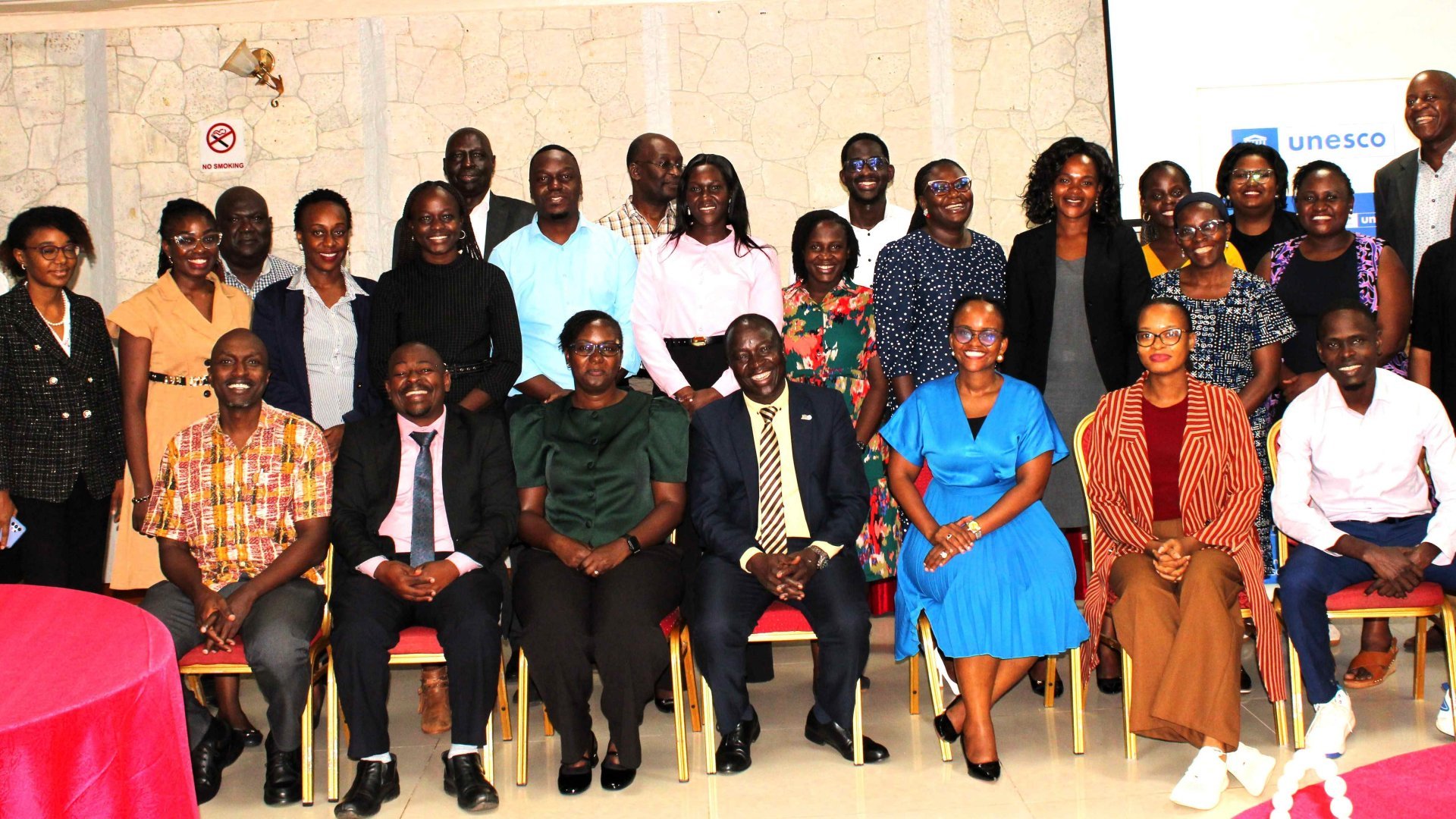
On 26th May 2026, the Ministry of ICT and National Guidance, in partnership with UNESCO, convened a Validation Workshop for Uganda’s Artificial Intelligence (AI) Readiness Assessment Report at Hotel Africana, Kampala. The workshop provided a platform for stakeholders to review and validate the findings of the assessment report, contributing to efforts aimed at strengthening Uganda’s readiness to harness artificial intelligence for sustainable national development.
The workshop brought together a diverse group of stakeholders from government ministries and agencies, academia, the private sector, civil society, development partners, and technology innovators to review and validate findings from Uganda’s AI Readiness Assessment. The assessment was conducted using UNESCO’s Readiness Assessment Methodology (RAM), a globally recognized framework that helps countries evaluate their preparedness to adopt and govern AI responsibly and ethically.
Led by renowned AI researcher and Makerere University AI Lab Head Dr. Joyce Nakatumba-Nabende, who served as the Lead National Expert, the assessment involved extensive consultations with stakeholders across the country. Working closely with UNESCO and the Ministry of ICT and National Guidance, the assessment team examined Uganda’s strengths, opportunities, and gaps in AI governance, infrastructure, research, education, data management, and innovation.
Speaking during the workshop, participants emphasized that Artificial Intelligence presents enormous opportunities for Uganda, particularly in sectors such as health, agriculture, education, public service delivery, environmental monitoring, and financial services. However, they also noted the importance of establishing appropriate policies, ethical safeguards, and institutional frameworks to ensure AI is deployed responsibly and benefits all citizens. Key discussions focused on AI governance, data protection, digital infrastructure, skills development, innovation, and inclusion, ensuring that no one is left behind in the country’s digital transformation journey.
The assessment highlights Uganda’s growing AI ecosystem, supported by active research institutions, innovation hubs, and government-led initiatives, including the ongoing development of the National AI and Emerging Technologies Strategy. At the same time, it identifies areas that require further attention, such as AI-specific regulations, enhanced digital infrastructure, AI literacy, and stronger data governance frameworks.
Following the validation process, the recommendations contained in the report will inform ongoing efforts to develop Uganda’s AI governance and policy framework, including the National AI and Emerging Technologies Strategy. The findings will also guide future interventions aimed at strengthening digital infrastructure, building AI skills and capacity, promoting research and innovation, and fostering responsible AI adoption across sectors.
The Ministry of ICT and National Guidance and UNESCO reaffirmed their commitment to working with stakeholders across government, academia, industry, civil society, and development partners to advance the next phase of Uganda’s AI journey.
The workshop brought together a diverse group of stakeholders from government ministries and agencies, academia, the private sector, civil society, development partners, and technology innovators to review and validate findings from Uganda’s AI Readiness Assessment. The assessment was conducted using UNESCO’s Readiness Assessment Methodology (RAM), a globally recognized framework that helps countries evaluate their preparedness to adopt and govern AI responsibly and ethically.
Led by renowned AI researcher and Makerere University AI Lab Head Dr. Joyce Nakatumba-Nabende, who served as the Lead National Expert, the assessment involved extensive consultations with stakeholders across the country. Working closely with UNESCO and the Ministry of ICT and National Guidance, the assessment team examined Uganda’s strengths, opportunities, and gaps in AI governance, infrastructure, research, education, data management, and innovation.
Speaking during the workshop, participants emphasized that Artificial Intelligence presents enormous opportunities for Uganda, particularly in sectors such as health, agriculture, education, public service delivery, environmental monitoring, and financial services. However, they also noted the importance of establishing appropriate policies, ethical safeguards, and institutional frameworks to ensure AI is deployed responsibly and benefits all citizens. Key discussions focused on AI governance, data protection, digital infrastructure, skills development, innovation, and inclusion, ensuring that no one is left behind in the country’s digital transformation journey.
The assessment highlights Uganda’s growing AI ecosystem, supported by active research institutions, innovation hubs, and government-led initiatives, including the ongoing development of the National AI and Emerging Technologies Strategy. At the same time, it identifies areas that require further attention, such as AI-specific regulations, enhanced digital infrastructure, AI literacy, and stronger data governance frameworks.
Following the validation process, the recommendations contained in the report will inform ongoing efforts to develop Uganda’s AI governance and policy framework, including the National AI and Emerging Technologies Strategy. The findings will also guide future interventions aimed at strengthening digital infrastructure, building AI skills and capacity, promoting research and innovation, and fostering responsible AI adoption across sectors.
The Ministry of ICT and National Guidance and UNESCO reaffirmed their commitment to working with stakeholders across government, academia, industry, civil society, and development partners to advance the next phase of Uganda’s AI journey.
The author is a Communications Officer at the Ministry of ICT & National Guidance.