Communication
Connected Africa Summit 2026
The Ministry of ICT and National Guidance participated in the 15th Connected Africa Summit 2026 in Nairobi, joining ministers and senior officials from more than 30 countries to advance the next phase of Africa’s digital transformation. The strong continental presence reflected growing momentum around connectivity, digital trade, and the push toward a more integrated digital economy.
Uganda’s delegation was led by the Minister of ICT and National Guidance, Hon Dr Chris Baryomunsi, accompanied by the Minister of State for ICT, Hon Joyce Nabbosa Ssebugwawo, and the Permanent Secretary, Dr Amina Zawedde. Their participation was important to ensure Uganda remains actively engaged in shaping regional priorities that influence connectivity, digital trade, and the wider digital economy.
Held under the theme “From Vision to Reality: Delivering Africa’s Digital Future,” the Summit marked a clear shift from planning to implementation. The agenda was anchored on the pillars of the African Union Digital Transformation Strategy for Africa (2020–2030), focusing on policy and regulation, infrastructure, digital skills, and innovation, alongside broader priorities around trade and development.
The Summit brought together a diverse mix of government leaders, policymakers, and technology innovators, creating space for practical, experience-driven discussions on how digital technologies can drive economic growth, improve public services, and expand opportunity across the continent.
These discussions were grounded in existing continental frameworks, particularly the African Continental Free Trade Area Digital Trade Protocol and the AU Data Policy Framework. Together, they are shaping a more integrated digital market and a trusted data environment where businesses and governments can operate with greater confidence.
A consistent focus was on what implementation requires. Expanding broadband infrastructure, especially cross-border fibre networks, remains central to scaling digital services. Investment in data centres is becoming increasingly important, while reducing the cost of cross-border communication remains critical for businesses operating in regional markets.
Digital trade featured prominently, with attention on improving systems that allow businesses to operate across borders more efficiently. This includes strengthening digital payments, enabling secure data flows, and supporting platforms that connect enterprises to wider markets.
At the same time, there was a strong emphasis on trust. As more services move online, countries are placing greater focus on cybersecurity, data protection, and interoperability to ensure digital systems are reliable and able to function across institutions and borders.
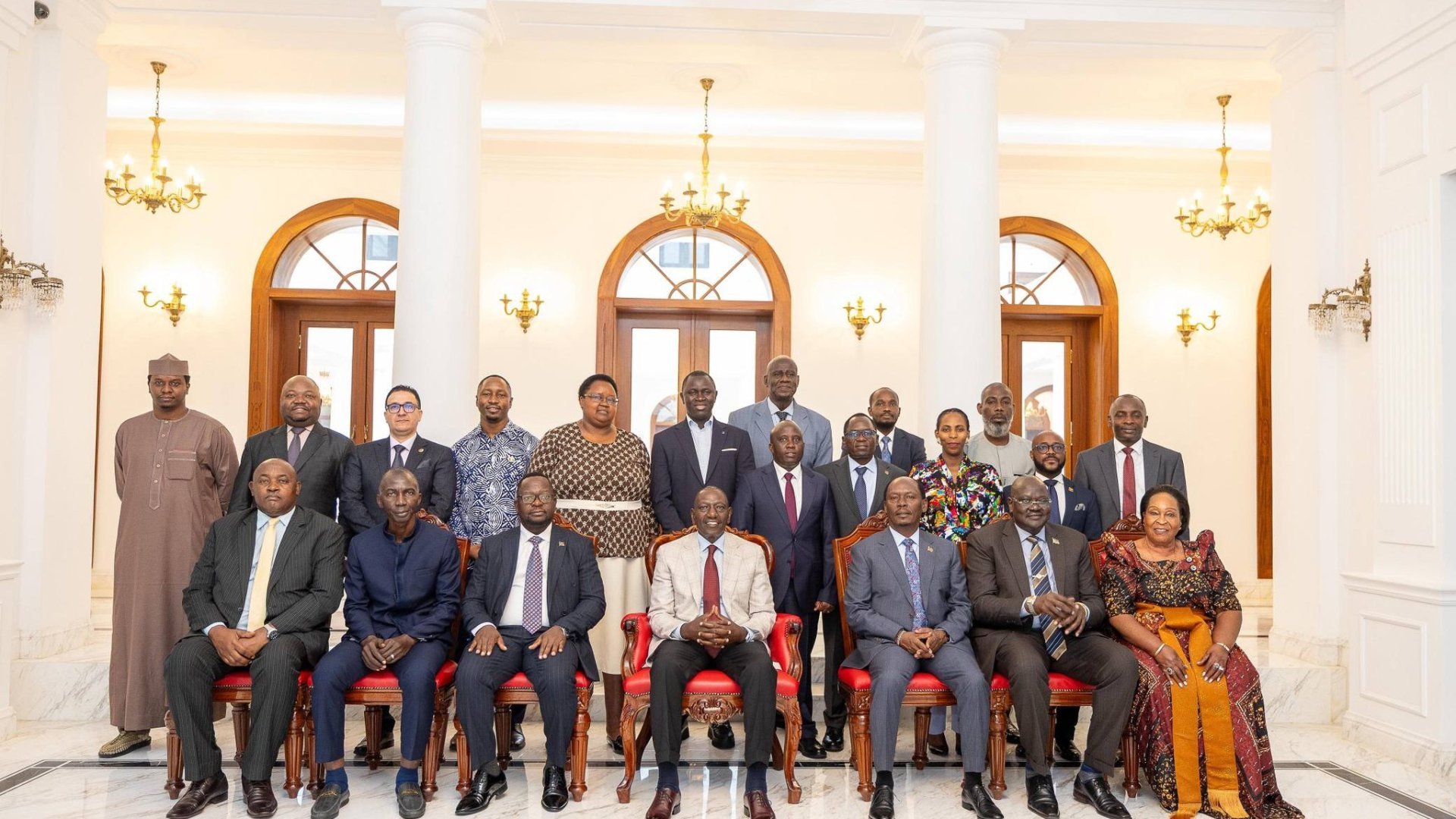
On the margins of the Summit, the President of Kenya, H.E. William Samoei Ruto, hosted a High-Level African Leadership Breakfast at State House, bringing together ministers, senior officials, policymakers, and private-sector leaders. The engagement focused on financing, partnerships, and the practical challenges of scaling digital infrastructure.
A key outcome of the Summit was the establishment of the Connected Africa Secretariat, to be chaired by Kenya, aimed at strengthening coordination, tracking progress, and ensuring follow-through on agreed priorities.
Delegates also visited key digital infrastructure and innovation sites, including Konza Technopolis and fibre manufacturing facilities, highlighting the role of local investment and production in supporting connectivity and economic growth.
As the Summit concluded, the direction was clear. Africa is moving beyond strategy to implementation, with a focus on coordinated action, sustained investment, and systems that work across borders. Uganda’s participation reflects its commitment to this shared agenda and its role in advancing a connected and inclusive digital economy.
Uganda’s delegation was led by the Minister of ICT and National Guidance, Hon Dr Chris Baryomunsi, accompanied by the Minister of State for ICT, Hon Joyce Nabbosa Ssebugwawo, and the Permanent Secretary, Dr Amina Zawedde. Their participation was important to ensure Uganda remains actively engaged in shaping regional priorities that influence connectivity, digital trade, and the wider digital economy.
Held under the theme “From Vision to Reality: Delivering Africa’s Digital Future,” the Summit marked a clear shift from planning to implementation. The agenda was anchored on the pillars of the African Union Digital Transformation Strategy for Africa (2020–2030), focusing on policy and regulation, infrastructure, digital skills, and innovation, alongside broader priorities around trade and development.
The Summit brought together a diverse mix of government leaders, policymakers, and technology innovators, creating space for practical, experience-driven discussions on how digital technologies can drive economic growth, improve public services, and expand opportunity across the continent.
These discussions were grounded in existing continental frameworks, particularly the African Continental Free Trade Area Digital Trade Protocol and the AU Data Policy Framework. Together, they are shaping a more integrated digital market and a trusted data environment where businesses and governments can operate with greater confidence.
A consistent focus was on what implementation requires. Expanding broadband infrastructure, especially cross-border fibre networks, remains central to scaling digital services. Investment in data centres is becoming increasingly important, while reducing the cost of cross-border communication remains critical for businesses operating in regional markets.
Digital trade featured prominently, with attention on improving systems that allow businesses to operate across borders more efficiently. This includes strengthening digital payments, enabling secure data flows, and supporting platforms that connect enterprises to wider markets.
At the same time, there was a strong emphasis on trust. As more services move online, countries are placing greater focus on cybersecurity, data protection, and interoperability to ensure digital systems are reliable and able to function across institutions and borders.
On the margins of the Summit, the President of Kenya, H.E. William Samoei Ruto, hosted a High-Level African Leadership Breakfast at State House, bringing together ministers, senior officials, policymakers, and private-sector leaders. The engagement focused on financing, partnerships, and the practical challenges of scaling digital infrastructure.
A key outcome of the Summit was the establishment of the Connected Africa Secretariat, to be chaired by Kenya, aimed at strengthening coordination, tracking progress, and ensuring follow-through on agreed priorities.
Delegates also visited key digital infrastructure and innovation sites, including Konza Technopolis and fibre manufacturing facilities, highlighting the role of local investment and production in supporting connectivity and economic growth.
As the Summit concluded, the direction was clear. Africa is moving beyond strategy to implementation, with a focus on coordinated action, sustained investment, and systems that work across borders. Uganda’s participation reflects its commitment to this shared agenda and its role in advancing a connected and inclusive digital economy.
The author is a Communications Officer at the Ministry of ICT & National Guidance.