Communication
Advancing Equity and Inclusion in Uganda’s Digital Transformation Journey
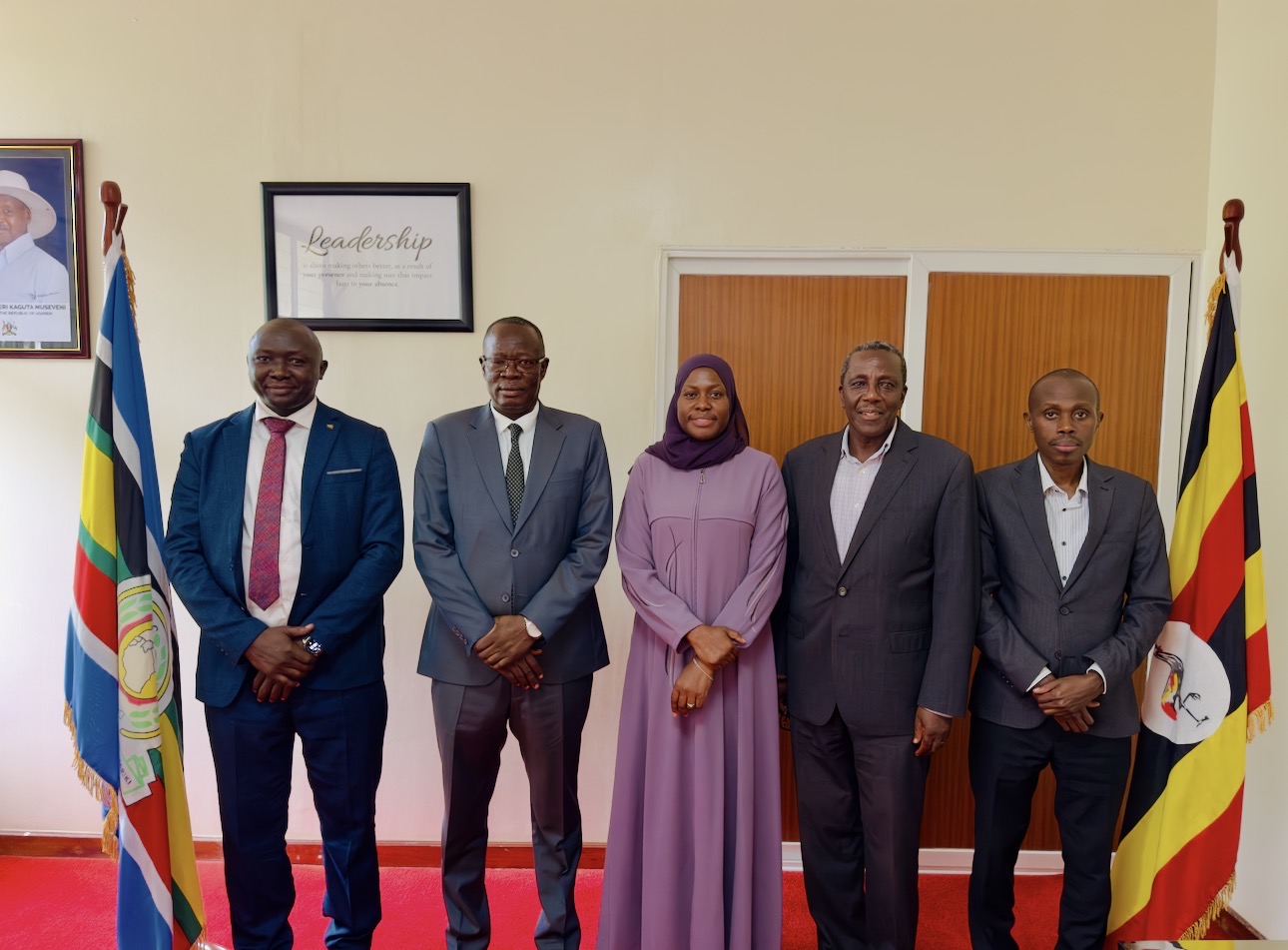
Concerns around internet access, affordability, and digital inclusion are becoming central to Uganda’s development. These issues formed the basis of an engagement between the Ministry of ICT and National Guidance and the Equal Opportunities Commission (EOC), aimed at advancing equality, equity, and fairness across the country.
Uganda has one of the youngest populations in the world, with a median age of about 16 years. As demand for digital services grows, gaps in connectivity, affordability, and inclusion continue to affect underserved communities and vulnerable groups.
Discussions focused on internet costs, limited coverage in hard-to-reach areas, digital exclusion of persons with disabilities, exposure of children to harmful online content, and delays in operationalizing civic education under the National Development Plan IV.
Welcoming the delegation, the Permanent Secretary, Dr Aminah Zawedde, emphasised the need to address these barriers. “Access to affordable internet and inclusive digital services is no longer optional. We are taking deliberate steps to expand infrastructure, improve affordability, and ensure that no Ugandan is left behind,” she said.
The Ministry outlined ongoing efforts to expand connectivity in underserved and border areas in collaboration with sector regulators. Increased market competition is expected to improve coverage and gradually reduce data costs.
The Ministry also highlighted the expansion of ICT innovation hubs hosted in public universities to bring digital skills and innovation opportunities closer to communities. The National ICT Innovation Hub in Nakawa serves as the central hub, operating alongside the Uganda Institute of Information and Communications Technology to support a pipeline from training to innovation and industry.
Regional hubs have been established at Soroti, Kabale, Busitema, and Gulu Universities, with expansion planned to Lira to improve equitable access to infrastructure and skills development. “We have deliberately taken ICT hubs to the regions to address the imbalance in access. These hubs create a pathway from training to innovation and ultimately to industry,” Dr. Zawedde noted.
On digital inclusion, the Ministry highlighted efforts to support persons with disabilities, particularly the visually impaired, through assistive technologies and specialised training at the National ICT Innovation Hub. Facilities include dedicated laboratories equipped with tools such as screen readers and adaptive devices, as well as training programmes delivered through a trainer-of-trainers model.
The Ministry noted that while these interventions have expanded access to digital skills, coverage remains limited and further investment is required to scale services nationwide. Efforts are also underway to integrate accessibility standards into government digital platforms.
On internet access for students, the Ministry noted that universities are connected through subsidised research and education networks, but current cost structures still place a burden on learners. A review is planned to identify more sustainable approaches.
On online safety, particularly for children, the Ministry confirmed that policy and regulatory measures are being implemented to address harmful content. “Our communications policy provides for restrictions on harmful content online, and we are putting in place systems to support enforcement, including engagement with digital platforms and content monitoring technologies,” Dr. Zawedde explained.
The meeting also highlighted the need for clearer coordination in implementing civic education. The Commissioner for Policy and Planning, Fred Twesiime, noted that structural and funding constraints continue to limit progress. “Civic education and national guidance remain critical, but their current placement across programmes limits effective delivery. There is a need to align institutional responsibilities and secure adequate resources,” he said.
The Secretary to the Equal Opportunities Commission, Dr. Shaft Nasser Mukwaya, commended the Ministry for strengthening equity considerations in planning and budgeting. “The Ministry has demonstrated strong improvement in promoting equity through its planning processes, and this engagement ensures that citizen concerns continue to inform government action,” he said. He also welcomed the expansion of ICT infrastructure across regions, noting its importance in promoting balanced development.
The meeting concluded with agreement on follow-up engagements, including joint action on civic education and continued efforts to improve equitable access to ICT services.
Uganda has one of the youngest populations in the world, with a median age of about 16 years. As demand for digital services grows, gaps in connectivity, affordability, and inclusion continue to affect underserved communities and vulnerable groups.
Discussions focused on internet costs, limited coverage in hard-to-reach areas, digital exclusion of persons with disabilities, exposure of children to harmful online content, and delays in operationalizing civic education under the National Development Plan IV.
Welcoming the delegation, the Permanent Secretary, Dr Aminah Zawedde, emphasised the need to address these barriers. “Access to affordable internet and inclusive digital services is no longer optional. We are taking deliberate steps to expand infrastructure, improve affordability, and ensure that no Ugandan is left behind,” she said.
The Ministry outlined ongoing efforts to expand connectivity in underserved and border areas in collaboration with sector regulators. Increased market competition is expected to improve coverage and gradually reduce data costs.
The Ministry also highlighted the expansion of ICT innovation hubs hosted in public universities to bring digital skills and innovation opportunities closer to communities. The National ICT Innovation Hub in Nakawa serves as the central hub, operating alongside the Uganda Institute of Information and Communications Technology to support a pipeline from training to innovation and industry.
Regional hubs have been established at Soroti, Kabale, Busitema, and Gulu Universities, with expansion planned to Lira to improve equitable access to infrastructure and skills development. “We have deliberately taken ICT hubs to the regions to address the imbalance in access. These hubs create a pathway from training to innovation and ultimately to industry,” Dr. Zawedde noted.
On digital inclusion, the Ministry highlighted efforts to support persons with disabilities, particularly the visually impaired, through assistive technologies and specialised training at the National ICT Innovation Hub. Facilities include dedicated laboratories equipped with tools such as screen readers and adaptive devices, as well as training programmes delivered through a trainer-of-trainers model.
The Ministry noted that while these interventions have expanded access to digital skills, coverage remains limited and further investment is required to scale services nationwide. Efforts are also underway to integrate accessibility standards into government digital platforms.
On internet access for students, the Ministry noted that universities are connected through subsidised research and education networks, but current cost structures still place a burden on learners. A review is planned to identify more sustainable approaches.
On online safety, particularly for children, the Ministry confirmed that policy and regulatory measures are being implemented to address harmful content. “Our communications policy provides for restrictions on harmful content online, and we are putting in place systems to support enforcement, including engagement with digital platforms and content monitoring technologies,” Dr. Zawedde explained.
The meeting also highlighted the need for clearer coordination in implementing civic education. The Commissioner for Policy and Planning, Fred Twesiime, noted that structural and funding constraints continue to limit progress. “Civic education and national guidance remain critical, but their current placement across programmes limits effective delivery. There is a need to align institutional responsibilities and secure adequate resources,” he said.
The Secretary to the Equal Opportunities Commission, Dr. Shaft Nasser Mukwaya, commended the Ministry for strengthening equity considerations in planning and budgeting. “The Ministry has demonstrated strong improvement in promoting equity through its planning processes, and this engagement ensures that citizen concerns continue to inform government action,” he said. He also welcomed the expansion of ICT infrastructure across regions, noting its importance in promoting balanced development.
The meeting concluded with agreement on follow-up engagements, including joint action on civic education and continued efforts to improve equitable access to ICT services.
The author is a Communications Officer at the Ministry of ICT & National Guidance.