Media
Media accreditation & responsible coverage of the 2026 General Elections
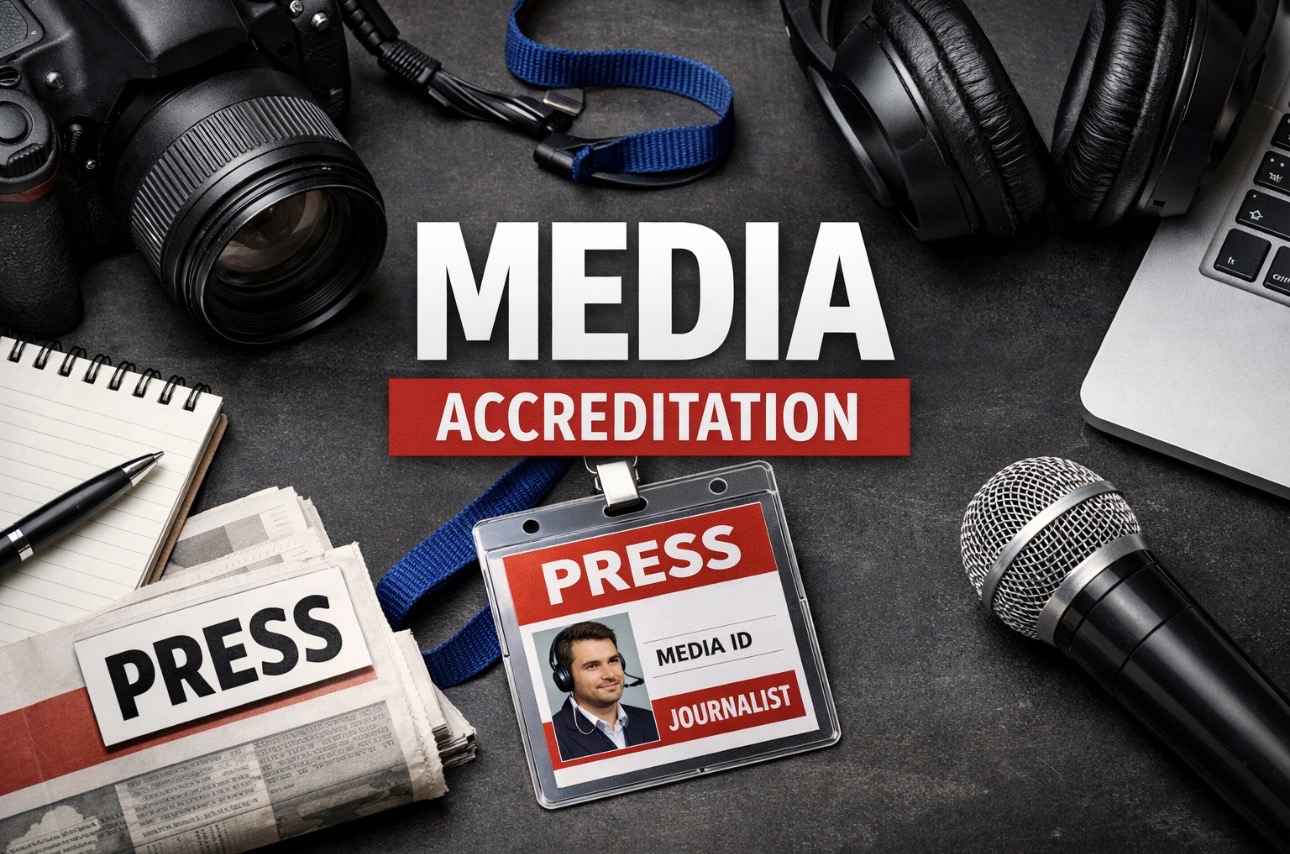
As Uganda approaches the 2026 General Elections, the Media Council calls upon all media practitioners and platforms to uphold the highest standards of professionalism, accuracy, and integrity. The media's role in shaping public discourse during this critical period is paramount to ensuring a credible, peaceful, and transparent electoral process.
Recent monitoring reports, reveal a deeply polarized information environment. Narratives around alleged abductions, state violence, electoral rigging, and institutional distrust are proliferating, particularly on digital platforms, often fueled by unverified claims, diaspora influencers, and coordinated disinformation campaigns.
These narratives risk eroding public trust, inciting violence, and undermining the legitimacy of our electoral institutions. In this volatile climate, responsible journalism is not merely an ethical obligation, it is a civic duty.
The Council therefore urges all media houses to:
1. Prioritize verification over speed: In an era of digital chaos, the rush to break news must not compromise accuracy. Cross-check all information, especially claims circulating on social media, with credible sources before dissemination.
2. Adhere to legal and ethical frameworks: Compliance with the Press and Journalists Act, the Uganda Communications Act, the Computer Misuse Act, and the Electoral Commission's comprehensive guidelines is mandatory. This includes mandatory accreditation of all journalists through the Media Council and respecting the official results declaration process.
3. Counter mis-and disinformation proactively: Media houses must establish robust fact checking mechanisms and refrain from amplifying sensational, unverified content. Special attention should be paid to Al-generated media, deepfakes, and impersonated content, which are increasingly used to mislead the public.
4. Promote balanced and Issue-based overage: Move beyond personality clashes and partisan rhetoric. Provide equitable airtime and column inches to all candidates, focus on policy issues, and educate voters on electoral processes to empower informed decision making.
5. Ensure journalist safety and support: No story is worth a life. Media employers must provide safety gear, psychosocial support, and insurance for staff covering high-risk assignments. Journalists must also adhere to security protocols at polling and tallying centers and at all times carry and display their duly issued Media Council elections Badge/Tag.
The Media Council, in collaboration with the Electoral Commission and the Uganda Communications Commission, will actively monitor compliance and address complaints (against and from the media) through a Media Elections Complaints Desk.
The credibility of the 2026 elections rests not only on the electoral management bodies but also on the integrity of the Fourth Estate. Journalists are urged to act as stewards of truth, champions of democracy, and guardians of peace.
THE ELECTORAL ACCREDITATION PROCESS
The Electoral Commission (EC) of Uganda, through the Elections Media Committee (EMC), has announced the commencement of the accreditation process for journalists intending to cover the 2026 General Elections.
The objective is to facilitate professional, safe, and comprehensive media coverage of the electoral process in accordance with the laws of Uganda.
1. Key Principles:
- Accreditation is mandatory for any journalist seeking access to official election venues (polling stations, tally centers, etc.).
- The process is designed to be efficient, transparent, and fair.
- All accredited journalists are expected to uphold the highest standards of ethics, impartiality, and professionalism.
2. How to Apply:
- All applications must be submitted online via the official MCU Accreditation Portal:
The portal is open and election coverage applications will close strictly on the 15th December 2025. No late applications will be considered after the deadline.
- Carefully select your category (Local or Foreign Journalist) and ensure you upload all required documents listed in the portal guidelines. Incomplete applications will be rejected.
3. Process & Timeline:
- Applications will be received and initially processed by the Media Council of Uganda (MCU).
- Final vetting and approval will be conducted by the Elections Media Committee (EMC) on behalf of the Electoral Commission.
- Applicants will be notified of the outcome through the portal and registered email.
- The entire process from submission to decision will take approximately 7-10 working days for complete applications.
4. Important Requirements:
- Local Journalists: Must possess a valid National ID and a Letter of Assignment and other required in the MCU guidelines.
- Foreign Journalists: Must submit a Letter of Assignment, a detailed CV, work samples, a passport copy, and a Police/Interpol Certificate of Good Conduct.
- All Journalists: Must execute a legal Undertaking to abide by Ugandan electoral laws and media guidelines. This form is available on the portal.
5. The Accreditation Badge:
- Successful applicants will receive an Election-Specific Accreditation Badge.
- This badge is non-transferable and must be visibly worn at all times while on election duty.
- It is the property of the MCU/EC and must be returned upon request or after the election period.
All media practitioners are urged to apply early, ensure compliance with the requirements, and familiarize themselves with the Comprehensive Guidelines for Media and Digital Platforms issued by the EC.
ACCREDITATION AUTHORITY AND PROCESS FLOW
1. Accrediting Authority: The Electoral Commission (EC) is the sole authority for issuing election-specific accreditation. The Elections Media Committee (EMC) acts on its behalf to manage the process, with the Media Council of Uganda (MCU) serving as the secretariat and initial processing body.
2. Unified Process: All applications for Election 2026 Coverage Accreditation must be submitted through the dedicated EMC Online Portal managed by the MCU.
3. Final Vetting & Issuance: The EMC conducts the final vetting and approves the list of accredited journalists. The election-specific accreditation Badge/Tag is issued by the MCU on behalf of the EMC/EC.
ALL ACCREDITED JOURNALISTS MUST TAKE NOTE OF THE FOLLOWING GENERAL RULES:
1. Mandatory Undertaking: All journalists must sign a legally binding Undertaking (provided) to comply with Ugandan laws and the EC's media guidelines.
2. Badge Use: The Election Badge must be worn visibly at all times while on duty. It grants access to authorized election venues.
3. Code of Conduct: All journalists must adhere to the Professional Code of Conduct for Journalists in Uganda and the EC's Comprehensive Guidelines.
4. Revocation: The EMC/EC reserves the right to immediately revoke accreditation for violation of the Undertaking, code of conduct, or any Ugandan law, without prior notice.
5. Non-Discrimination: Accreditation is based on professional merit, compliance with procedures, and vetting outcomes. The process is transparent and applied uniformly to all eligible applicants.
In summary
The Media Council of Uganda was established by Section 8 (1) of the Press and Journalist Act, Cap 105 and is charged with regulation of the Mass Media. The Council is mandated to regulate the conduct and promote good ethical standards and discipline of journalists; arbitrate disputes between the public and the media, and the State and the media; exercise disciplinary control over journalists, editors and publishers; The Council is further empowered under Section 29 to accredit foreign journalists who intend to carry out any act of journalism in Uganda.
Recent monitoring reports, reveal a deeply polarized information environment. Narratives around alleged abductions, state violence, electoral rigging, and institutional distrust are proliferating, particularly on digital platforms, often fueled by unverified claims, diaspora influencers, and coordinated disinformation campaigns.
These narratives risk eroding public trust, inciting violence, and undermining the legitimacy of our electoral institutions. In this volatile climate, responsible journalism is not merely an ethical obligation, it is a civic duty.
The Council therefore urges all media houses to:
1. Prioritize verification over speed: In an era of digital chaos, the rush to break news must not compromise accuracy. Cross-check all information, especially claims circulating on social media, with credible sources before dissemination.
2. Adhere to legal and ethical frameworks: Compliance with the Press and Journalists Act, the Uganda Communications Act, the Computer Misuse Act, and the Electoral Commission's comprehensive guidelines is mandatory. This includes mandatory accreditation of all journalists through the Media Council and respecting the official results declaration process.
3. Counter mis-and disinformation proactively: Media houses must establish robust fact checking mechanisms and refrain from amplifying sensational, unverified content. Special attention should be paid to Al-generated media, deepfakes, and impersonated content, which are increasingly used to mislead the public.
4. Promote balanced and Issue-based overage: Move beyond personality clashes and partisan rhetoric. Provide equitable airtime and column inches to all candidates, focus on policy issues, and educate voters on electoral processes to empower informed decision making.
5. Ensure journalist safety and support: No story is worth a life. Media employers must provide safety gear, psychosocial support, and insurance for staff covering high-risk assignments. Journalists must also adhere to security protocols at polling and tallying centers and at all times carry and display their duly issued Media Council elections Badge/Tag.
The Media Council, in collaboration with the Electoral Commission and the Uganda Communications Commission, will actively monitor compliance and address complaints (against and from the media) through a Media Elections Complaints Desk.
The credibility of the 2026 elections rests not only on the electoral management bodies but also on the integrity of the Fourth Estate. Journalists are urged to act as stewards of truth, champions of democracy, and guardians of peace.
THE ELECTORAL ACCREDITATION PROCESS
The Electoral Commission (EC) of Uganda, through the Elections Media Committee (EMC), has announced the commencement of the accreditation process for journalists intending to cover the 2026 General Elections.
The objective is to facilitate professional, safe, and comprehensive media coverage of the electoral process in accordance with the laws of Uganda.
1. Key Principles:
- Accreditation is mandatory for any journalist seeking access to official election venues (polling stations, tally centers, etc.).
- The process is designed to be efficient, transparent, and fair.
- All accredited journalists are expected to uphold the highest standards of ethics, impartiality, and professionalism.
2. How to Apply:
- All applications must be submitted online via the official MCU Accreditation Portal:
The portal is open and election coverage applications will close strictly on the 15th December 2025. No late applications will be considered after the deadline.
- Carefully select your category (Local or Foreign Journalist) and ensure you upload all required documents listed in the portal guidelines. Incomplete applications will be rejected.
3. Process & Timeline:
- Applications will be received and initially processed by the Media Council of Uganda (MCU).
- Final vetting and approval will be conducted by the Elections Media Committee (EMC) on behalf of the Electoral Commission.
- Applicants will be notified of the outcome through the portal and registered email.
- The entire process from submission to decision will take approximately 7-10 working days for complete applications.
4. Important Requirements:
- Local Journalists: Must possess a valid National ID and a Letter of Assignment and other required in the MCU guidelines.
- Foreign Journalists: Must submit a Letter of Assignment, a detailed CV, work samples, a passport copy, and a Police/Interpol Certificate of Good Conduct.
- All Journalists: Must execute a legal Undertaking to abide by Ugandan electoral laws and media guidelines. This form is available on the portal.
5. The Accreditation Badge:
- Successful applicants will receive an Election-Specific Accreditation Badge.
- This badge is non-transferable and must be visibly worn at all times while on election duty.
- It is the property of the MCU/EC and must be returned upon request or after the election period.
All media practitioners are urged to apply early, ensure compliance with the requirements, and familiarize themselves with the Comprehensive Guidelines for Media and Digital Platforms issued by the EC.
ACCREDITATION AUTHORITY AND PROCESS FLOW
1. Accrediting Authority: The Electoral Commission (EC) is the sole authority for issuing election-specific accreditation. The Elections Media Committee (EMC) acts on its behalf to manage the process, with the Media Council of Uganda (MCU) serving as the secretariat and initial processing body.
2. Unified Process: All applications for Election 2026 Coverage Accreditation must be submitted through the dedicated EMC Online Portal managed by the MCU.
3. Final Vetting & Issuance: The EMC conducts the final vetting and approves the list of accredited journalists. The election-specific accreditation Badge/Tag is issued by the MCU on behalf of the EMC/EC.
ALL ACCREDITED JOURNALISTS MUST TAKE NOTE OF THE FOLLOWING GENERAL RULES:
1. Mandatory Undertaking: All journalists must sign a legally binding Undertaking (provided) to comply with Ugandan laws and the EC's media guidelines.
2. Badge Use: The Election Badge must be worn visibly at all times while on duty. It grants access to authorized election venues.
3. Code of Conduct: All journalists must adhere to the Professional Code of Conduct for Journalists in Uganda and the EC's Comprehensive Guidelines.
4. Revocation: The EMC/EC reserves the right to immediately revoke accreditation for violation of the Undertaking, code of conduct, or any Ugandan law, without prior notice.
5. Non-Discrimination: Accreditation is based on professional merit, compliance with procedures, and vetting outcomes. The process is transparent and applied uniformly to all eligible applicants.
In summary
The Media Council of Uganda was established by Section 8 (1) of the Press and Journalist Act, Cap 105 and is charged with regulation of the Mass Media. The Council is mandated to regulate the conduct and promote good ethical standards and discipline of journalists; arbitrate disputes between the public and the media, and the State and the media; exercise disciplinary control over journalists, editors and publishers; The Council is further empowered under Section 29 to accredit foreign journalists who intend to carry out any act of journalism in Uganda.
The author is a AC/IC at the Ministry of ICT & National Guidance.