





FY 2025-26 Priorities
-
Enhancing ICT skills and vocational development
-
Effective communication and national guidance
-
Strengthening Cyber Security in the country
-
Strengthening of Business Process Outsourcing
-
Supporting local innovation and promoting export of knowledge products
Latest from the Ministry

Government Launches National Communication Policy 2026
CommunicationThe Government of Uganda has launched the National Communication Policy, 2026, to improve how Government institutions share information, coordinate communication and engage with citizens. The Policy was officially launched on Tuesday, 13th October 2026, at the Uganda Media Centre in Kampala by the Minister of ICT and National Guidance, Rt. Hon. Justine Kasule Lumumba. The event was also attended by the Minister of State for ICT & National Guidance (Information), Hon. Joyce Nabbosa Ssebugwawo, the Permanent Secretary, Dr. Aminah Zawedde, heads of Government agencies, communication professionals and representatives of the media. Developed through consultations with Government institutions, the private sector, civil society and other stakeholders, the Policy seeks to address gaps in public communication, including conflicting information, misinformation, delayed responses and limited citizen engagement. Speaking at the launch, Rt. Hon. Lumumba said the Policy marks an important step towards building a more coordinated, professional and responsive Government communication system. "Communication is not merely about transmitting information. It is about building understanding, facilitating participation, strengthening accountability and enabling citizens to engage meaningfully with the Government," she said. The Minister emphasised that Government institutions must keep citizens informed about public programmes, services and decisions, including explaining why certain activities have not been implemented. She called on agencies under the Ministry to strengthen their roles in delivering accurate information, improving media services, expanding connectivity, and responding to public concerns. The Minister also urged closer cooperation with media organisations and committed to working with relevant Government institutions to address outstanding payments owed to media service providers. "We are going to serve. We are going to improve. We are going to make sure everybody in this country gets to know what is happening in the Government," she said. Earlier, the Minister of State for Information, Hon. Joyce Nabosa Sebugwawo, said Uganda's changing media landscape offers the Government opportunities to reach citizens through radio, television, mobile phones, and digital platforms. "For far too long, Government communication has sometimes happened in silos. One institution says one thing, another communicates differently, and citizens are left seeking clarity," she said. Hon. Sebugwawo explained that the Policy establishes common communication standards across Ministries, Departments, Agencies and Local Governments. It also improves crisis communication, access to public information, and mechanisms for citizens to give feedback. She noted that effective communication should help people understand Government programmes, access available services, and participate in decisions that affect them. "It is the bridge between what Government does and whether citizens know about it, benefit from it, and trust it," she said. In her remarks, the Permanent Secretary, Dr. Aminah Zawedde, outlined the steps institutions must take to implement the Policy. She called on accounting officers to involve communication officers in programme planning, provide timely information, and allocate adequate resources for their work. Dr. Zawedde said every Ministry, Department, Agency and Local Government should develop a communication strategy aligned with the National Communication Policy and include communication activities in its annual plans and budgets. She emphasised that the success of Government communication should be measured by whether information reaches the intended audience, is understood and helps citizens access services or obtain answers to their concerns. "Did the information reach the intended audience? Could people understand the information that was delivered? Did they know what to do next after the information was given? Were their questions answered?" she asked. The Permanent Secretary recognised the contribution of the Communication and National Guidance Task Force, the Ministry's Department of Communication and Information Dissemination, the Cabinet Secretariat and other stakeholders involved in developing the Policy. She confirmed that the Ministry had already prepared an implementation plan and would provide technical guidance, support institutions, and monitor progress. With the Policy now officially launched, the Ministry of ICT and National Guidance will lead its implementation, working with Government institutions, the media, and other stakeholders to ensure public information is accurate, accessible, and responsive to the needs of Ugandans.
Oct 13, 2026

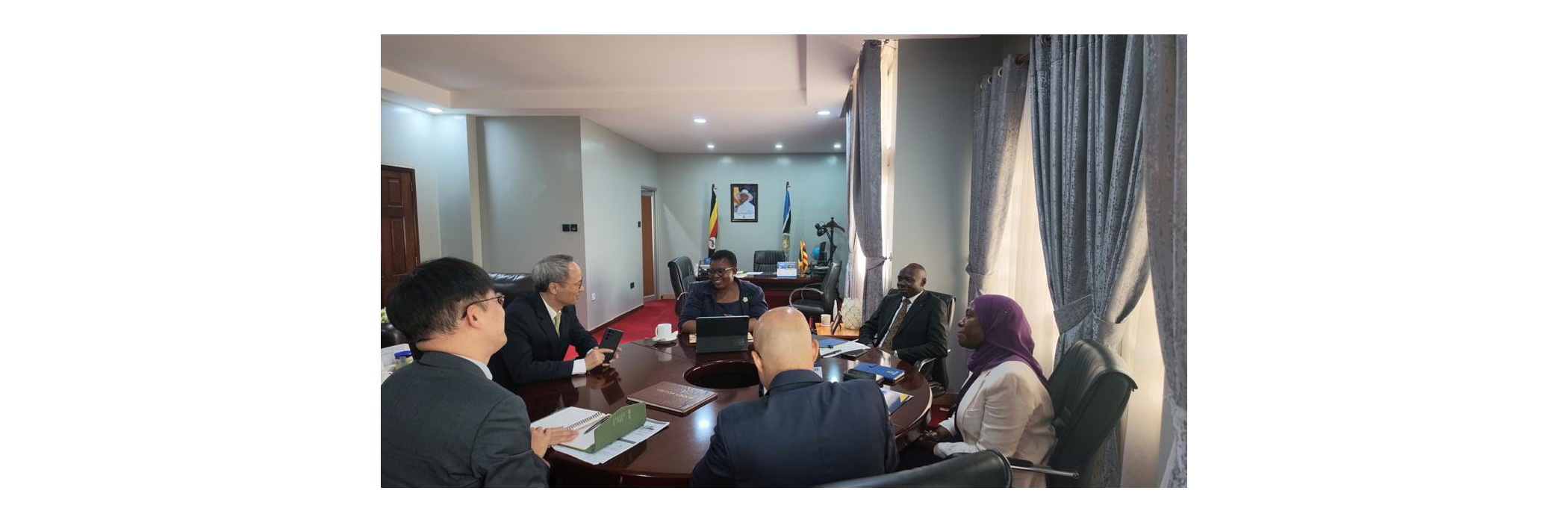
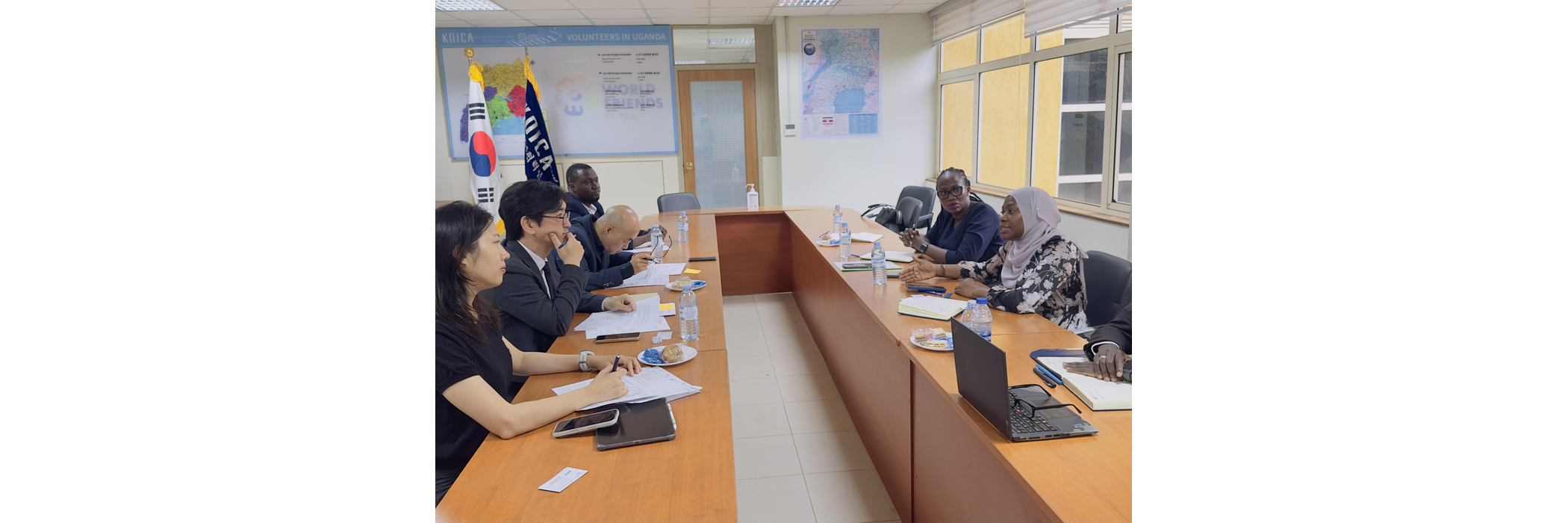
Uganda and Korea Explore Cooperation on Data Infrastructure and Digital Skills
Oct 2, 2026Quarterly Newsletters
40m+
Mobile Subscriptions17m+
Internet Subscriptions1,466
Government Offices on Fibre4,400+
Kms Covered by Fibre17
Innovation Hubs
Watch & Listen to
Uganda's Digital Story
Tune in to The Ugandan Podcast — conversations on ICT policy, innovation, digital transformation, and the people shaping Uganda's tech future.
Upcoming Events
-
February 4th - 6th 2027Digital Government Africa SummitSpeke Resort Munyonyo, 09:00am
Government eServices
Recent Publications


